
Thinking about the future and what happens after we pass away is one of the most challenging things a person can do. It is completely natural to feel uncomfortable or even a bit fearful when discussing end-of-life topics. Because these conversations bring up deep, sensitive emotions, many people put off this kind of planning for years. They assume there will always be more time down the road to handle the paperwork, organize their finances, and state their preferences for their final arrangements.
However, taking the time to handle these preparations now is actually one of the most selfless acts of love you can perform for your household. When a sudden loss occurs, surviving family members are often completely blinded by intense grief and sadness. Trying to make massive financial decisions, decipher complex legal codes, and guess what kind of memorial service a loved one would have wanted during those initial days of mourning creates an immense amount of unnecessary stress. Sometimes, it can even lead to painful family arguments during a time when everyone should be leaning on each other for comfort.
By proactively mapping out your legal protections and your memorial preferences today, you take that heavy burden completely off your family’s shoulders. You provide them with a clear, calm, and orderly roadmap to follow, ensuring your exact wishes are respected without any guesswork. This comprehensive guide will break down the essential legal and practical preparation steps into simple, easy-to-digest chapters, helping you secure your legacy and protect your family’s peace of mind.
Building Your Legal Protective Shield

The absolute foundation of a solid future plan begins with your legal framework. This step is all about making sure that the things you have worked hard for throughout your life, such as your home, bank accounts, and personal belongings, are distributed exactly how you want them to be. It also involves naming a trusted person to make financial and medical choices for you if you ever get too sick or injured to speak for yourself.
Many people make the mistake of using generic, pre-printed legal forms they find on the internet to write their final wishes. While these templates might seem cheap and easy, they often fail to account for the unique, complex laws of your specific state. A single missing signature or an incorrectly worded paragraph can cause a judge to throw out the entire document, forcing your family into a long, expensive public court loop called probate. To avoid these risky traps, you should sit down with a certified estate planning attorney in your area. This specialized legal professional will review your assets, help you minimize future inheritance taxes, and draft legally binding documents tailored to your family’s specific needs.
In addition to organizing your wealth and property, you need to protect your physical well-being and medical rights as you grow older. It is highly beneficial to work alongside a local family attorney at law who can help you set up robust medical directives. These documents include a healthcare proxy, which assigns a trusted relative to make medical decisions for you if you are unconscious, and a living will, which outlines your exact boundaries regarding treatments like ventilators or feeding tubes. Having these protections in place ensures your personal dignity is always maintained.
When organizing your legal shield with your professional team, make sure to compile these vital resources:
- Create a comprehensive list of all your financial accounts, including bank numbers, life insurance policies, retirement funds, and outstanding debts.
- Write down clear, legal names for the guardians who will care for your minor children or pets if you are no longer able to do so.
- Appoint a primary executor and a backup executor who are organized, steady under pressure, and fully willing to manage your paperwork.
Designing Lasting Upright Legacies
Once your legal affairs are neatly organized, you can shift your focus toward the practical and creative aspects of your final legacy. For centuries, humans have used permanent stone monuments to mark the final resting places of their loved ones. Having a dedicated physical spot in a quiet cemetery provides immense comfort to surviving family members, giving them a quiet sanctuary where they can visit, share stories, and feel connected to their family history across generations.
If you choose a traditional ground burial, you have the opportunity to design an upright monument that acts as a beautiful celebration of your unique life story. Working with a skilled monument company to create custom headstones allows you to select from various premium materials, such as durable granite or classic marble, and pick out distinctive colors like deep black, twilight blue, or mahogany red. You can also work with an artist to engrave custom portraits, historic family crests, or meaningful quotes that showcase your personal values, career achievements, or favorite hobbies.
For individuals who want to make a more prominent or historic statement within a family plot, you can explore larger commemorative structures. You can work with a stone builder to design and erect a grand memorial monument that stands tall above the green lawns of the cemetery. These larger upright structures can be carved into elegant obelisks, classic columns, or custom statues, providing a central gathering point where multiple generations of your family can eventually be laid to rest together under a single, unified name.
When you begin planning an upright standing tribute, consider these initial design factors:
- Research different granite grades, as high-density stones resist the natural elements and preserve fine engravings much better over time.
- Take your time drafting your epitaph, choosing short, powerful words or scriptural verses that capture the true essence of your spirit.
- Request a digital blueprint or a 3D sketch from the stone carver so you can double-check the spelling of all names and dates before the carving begins.
Navigating Underground and Ground-Level Rest Logistics
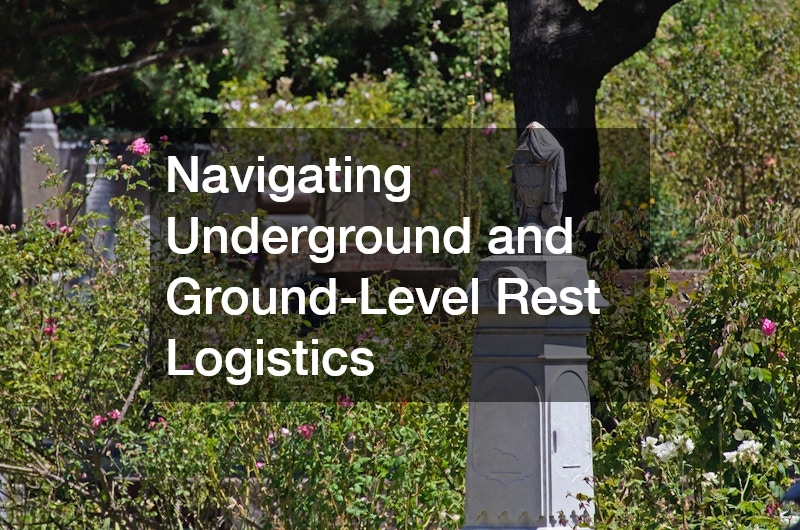
While upright monuments are beautiful, they are not always the right fit for every family’s budget, and they are not allowed in every cemetery. Over the past few decades, many modern memorial parks and quiet burial gardens have shifted their layout rules to create a specific, open look. These properties aim to look like rolling green parks rather than historic courtyards, meaning they have very strict guidelines regarding what kind of structures can be placed on the grass.
When exploring traditional burial options, you will likely encounter a few different historical terms used to describe grave markers. While history books often show a tall, weathered tombstone sticking up from an old churchyard, these traditional vertical slabs are becoming less common in newer cemetery developments. Understanding the exact terminology used by your chosen cemetery will help you avoid buying a stone that violates their property bylaws.
If you prefer an understated, minimalist look that blends in perfectly with the natural landscape, you should look into ground-level options. Selecting a high-quality flat headstone is an excellent, highly practical choice for many modern households. These flat stones are installed completely flush with the surrounding grass, creating a clean, seamless appearance across the lawn. Because they do not stick up into the air, they are less prone to tipping over during heavy storms or earthquakes, they cost significantly less to manufacture and install, and they allow cemetery groundskeepers to drive lawnmowers directly over them safely without causing any accidental scratches or chips to the stone.
To ensure your ground-level arrangements comply with local rules, keep these practical tips in mind:
- Always request a written copy of the cemetery’s rules regarding stone dimensions, as many properties restrict the thickness and width of a flat marker.
- Inquire if the cemetery requires a specific material border, such as a thick bronze plate mounted on a concrete base, to protect the stone from mowing equipment.
- Choose deep, clear block lettering for your ground-level engravings to ensure the text remains easily readable even when leaves or grass clippings brush over the surface.
Customizing Memorials for Cremation and Plot Identification
The ways people choose to handle their final physical care are changing rapidly. While traditional casket burials remain popular, an increasing number of individuals now prefer cremation due to its simplicity, environmental flexibility, and lower overall cost. However, choosing cremation does not mean you have to skip having a permanent, physical resting place for your family to visit.
Even within a standard burial plot, organization is incredibly important. Cemeteries rely on a simple grave marker to track the exact boundaries of individual plots, keep their digital maps accurate, and help visiting relatives find their ancestors without getting lost in a maze of lawns. These small markers can be placed at the foot of a grave to provide secondary identification alongside a main family stone, keeping the entire property tidy and easy to navigate for future generations.
If you explicitly choose to be cremated, you can still anchor your memory to a specific physical sanctuary by utilizing specialized options. You can purchase a beautiful cremation marker to place over a small earthen plot in a dedicated cremation garden, or you can mount a customized plate on a stone wall in an above-ground columbarium. These specialized cremation options are built with secure, hollow chambers or matching urn attachments, allowing your ashes to be safely locked inside the stone structure while displaying your name and biographical details for visitors to see.
Consider these modern, creative ways to personalize a smaller ash-burial marker:
- Look into adding a scannable ceramic QR code to the corner of the marker, allowing visitors to scan the stone with a smartphone and view a digital timeline of your life photos and videos.
- Choose a design that includes a built-in stone vase attachment so your children and grandchildren can easily leave fresh flowers whenever they visit.
- Consider a companion layout that allows two separate ash urns to be placed beneath a single stone, ensuring you and your spouse remain together.
Coordinating Professional Installation and Care

The final phase of navigating your future preparations involves organizing the long-term maintenance and physical placement of your memorial stone. A beautiful stone can lose its dignity quickly if it is installed incorrectly or left to collect dirt, moss, and hard water stains without any upkeep. Ensuring your tribute stands straight and clean through decades of harsh winters and hot summers requires coordinated professional oversight.
Pouring a proper foundation for a heavy stone block is a highly technical task that should never be attempted as a DIY project. It is essential to partner with reputable headstone services to handle the physical delivery and setting of your monument. Professional installers know exactly how deep to dig the hole, how to reinforce the dirt with gravel, and how to pour a thick, level concrete pad that keeps the heavy stone from sinking into soft mud, shifting during heavy rains, or tilting sideways as the earth naturally settles over the years.
Over time, exposure to rain, tree sap, bird droppings, and blowing dirt will cause any natural stone to look weathered and dull. To protect your family’s history, you need to establish a simple plan for preserving these local memorials. Avoid using harsh household chemicals like bleach or stiff wire brushes on natural stone, as these abrasive tools can cause micro-cracks that trap moisture and ruin fine details. Instead, a gentle wash using clean water, a soft-bristled plastic brush, and a specialized eco-friendly stone cleaner is all that is needed to wash away grime and keep the stone looking pristine.
To guarantee your monument stays beautiful and structurally secure for the next century, incorporate these final administrative checks into your planning checklist:
- Ask the cemetery management about their perpetual care funds, which are special upfront fees used to pay for ongoing lawn mowing and general ground upkeep around your plot forever.
- Verify if your homeowner’s insurance policy or a separate cemetery insurance plan covers the physical restoration costs if your stone is ever damaged by a fallen tree branch or an act of vandalism.
- Keep a digital copy of your stone purchase contract, foundation warranty, and plot deed stored inside a secure online folder, and share access with your executor.
Conclusion
Taking the time to complete your future legal and memorial preparations is an incredibly empowering journey. It allows you to take total control of your personal narrative, state your values clearly, and safeguard your household’s financial stability. Rather than leaving these massive, complex choices to be sorted out by your grieving family during a sudden emergency, you can hand them a completed, peaceful blueprint that reflects your deep love and foresight.
You do not have to conquer this entire planning checklist in a single weekend. The best way to make progress is to take tiny, manageable steps over the next few months. Dedicate just one hour this week to scheduling an initial consultation with an attorney, or take a quiet weekend drive to tour a local memorial garden. Once you have finalized your forms and contracts, place all the original documents inside a secure, fireproof box at home, and tell your family exactly where the key is hidden. Stepping up to organize these details today gives you the ultimate reward: total confidence that your legacy is secure and your family is fully protected, no matter what the future holds.
