
Watching a parent or grandparent grow older often brings a quiet worry into everyday life. The house that once felt spacious and easy to move through can slowly start to feel full of small obstacles. A loose stair rail, a dim hallway, or a slippery tub mat may seem minor, but for an aging family member these details can mean the difference between confidence and a serious fall. Thinking ahead about how a home can support independence, comfort, and safety is one of the most meaningful things a family can do for the people they love.
This article walks through the major areas of a home that deserve attention when an older relative lives there, whether they are aging in place on their own or sharing space with family. From entryways to bathrooms, outdoor paths to flooring, small and large changes can add up to a home that feels welcoming rather than risky. The goal is not to turn a house into a clinical space, but to blend safety with warmth so it still feels like home.
Every household is different, and there is no single checklist that applies to every family. An adult who still walks easily but tires quickly will need different adjustments than someone who relies on a wheelchair or has trouble seeing in low light. Taking stock of daily routines, favorite rooms, and the tasks that already feel difficult is a useful starting point before any renovation begins. The sections below are meant to spark that conversation and give families a practical framework for deciding where to focus their time, energy, and budget first.
Making Entryways and Hallways Safer to Navigate
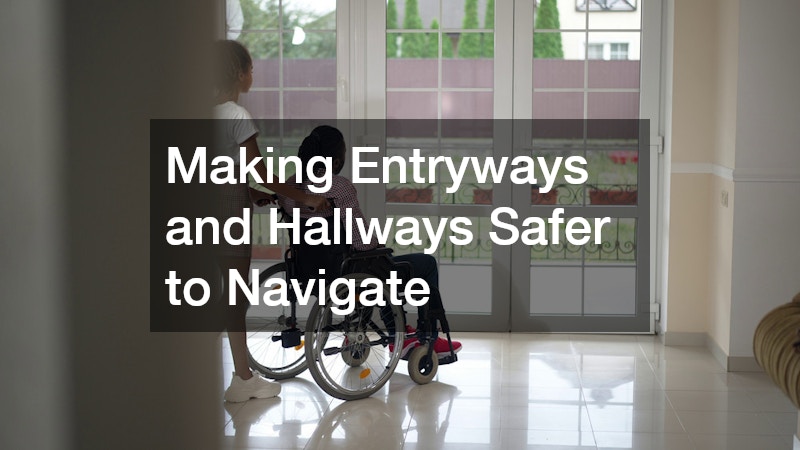
The path from the driveway to the front door and the hallways that connect each room are places where falls happen more often than people expect. Uneven steps, poor lighting, and narrow passageways can turn a simple walk through the house into a hazard. Improving these areas is often one of the first steps families take when planning senior home renovations, since entry points set the tone for how the rest of the house needs to be adjusted.
Widen Doorways and Remove Thresholds
Standard doorways can feel tight for someone using a walker or wheelchair. Widening doorways to at least thirty-six inches allows mobility aids to pass through comfortably, and removing raised thresholds reduces tripping risk. A contractor familiar with handyman services can usually complete this kind of adjustment in a single afternoon without major structural changes.
Add Motion-Sensor Lighting Along Walkways
Install lighting that turns on automatically when someone steps into a hallway or approaches the front door. This removes the need to fumble for a switch in the dark, which is especially helpful during nighttime bathroom trips. Battery-powered motion lights are inexpensive and can be added without any wiring work.
Install Handrails on Both Sides of Steps
Even a single step can become a hazard over time. Adding sturdy handrails on both sides of any stairs, inside or outside the home, gives an older adult something reliable to hold onto in both directions of travel.
Mark Step Edges With Reflective Tape
Applying bright, reflective tape or paint to the edge of each stair tread makes the boundary of every step much easier to see, especially during early morning or evening hours when natural light is low. This small, inexpensive step can meaningfully reduce missteps on both indoor and outdoor staircases.
Bathroom and Kitchen Updates That Support Independence
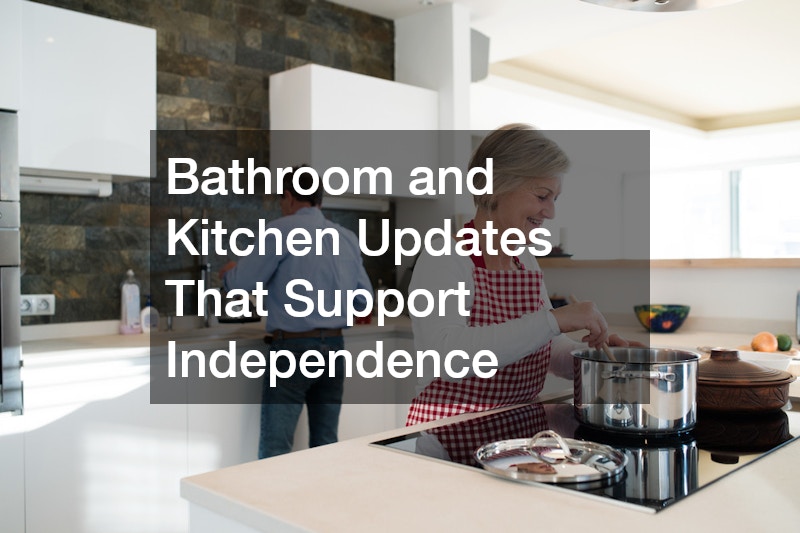
Bathrooms and kitchens see heavy daily use, and both rooms carry hidden risks for older adults. Wet tile, low cabinets, and hard-to-reach shelves can turn ordinary tasks into daily challenges. Thoughtful updates in these two rooms often have the biggest impact on how comfortably a senior can continue living at home.
Bathroom remodeling for an aging family member usually starts with the shower or tub. A curbless walk-in shower removes the need to step over a high ledge, which is one of the most common places for falls to occur. Grab bars near the toilet and inside the shower give something stable to hold onto, and a raised toilet seat can make sitting and standing far less strenuous on the knees and hips. Non-slip flooring inside the shower stall, paired with a shower bench, allows a person to sit while bathing rather than standing on a wet surface for an extended period.
In the kitchen, the focus shifts to reachability and ease of movement. Lowering upper cabinets or adding pull-down shelving means everyday dishes and food items are not stored out of comfortable reach. Kitchen remodeling services can also address counter heights, making it easier for someone using a wheelchair or seated most of the time to prepare meals independently. Lever-style faucet handles are gentler on arthritic hands than traditional twist knobs, and slide-out shelves in lower cabinets reduce the need to bend or kneel.
Choose Contrasting Colors for Countertops and Floors
Visual contrast between counters, cabinets, and flooring helps people with reduced depth perception judge edges and surfaces more accurately. A dark countertop against a lighter floor, for example, makes the boundary between the two much easier to see.
Replace Round Knobs With D-Shaped Handles
Small hardware changes matter. D-shaped or lever handles on cabinets and drawers are easier to grip than round knobs, particularly for anyone dealing with arthritis or limited hand strength.
Outdoor Areas and Pathways Worth Rethinking

Time spent outside matters for mental and physical well-being, so the exterior of the home deserves just as much attention as the interior. Cracked walkways, steep slopes, and gravel paths can discourage an older adult from spending time in the yard or garden at all.
Thoughtful hardscaping can transform an outdoor space from a hazard into an inviting retreat. Replacing loose gravel or uneven brick with flat, textured pavers creates a stable walking surface that still looks attractive. Gentle ramps in place of steep steps make it possible to move a wheelchair or walker from the patio to the yard without assistance. Raised garden beds are another popular addition, since they allow someone to garden while seated or standing upright rather than kneeling on the ground.
Add Covered Seating Areas Near the House
A shaded porch or covered patio close to the back door gives an older family member a place to rest partway through a walk outside, without needing to go far from home.
Install Textured, Slip-Resistant Paving
Choose paving materials with a textured finish rather than smooth, polished stone, since texture provides better grip when surfaces get wet from rain or morning dew.
Choosing Flooring That Balances Comfort and Safety
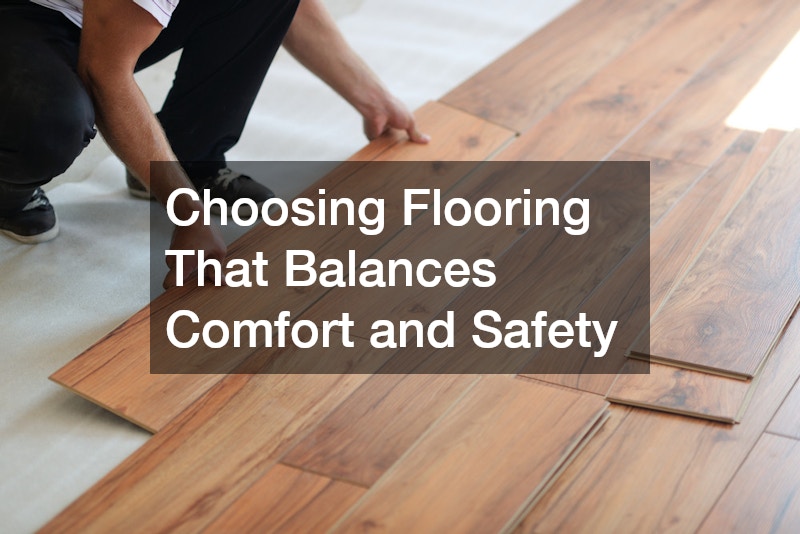
Flooring choices throughout the house affect balance, joint comfort, and fall risk more than most families realize. A surface that looks beautiful but creates glare or offers little traction can quietly become a daily hazard.
Working with experienced flooring companies can help a family compare options that suit both appearance and safety needs. Low-pile carpet with a dense, firm cushion offers cushioning for joints while still being firm enough that a walker or cane does not sink into it. Thick, plush carpet, on the other hand, can actually increase fall risk because it creates an unstable surface underfoot. In rooms where carpet is not preferred, cork and rubber flooring offer a softer landing than tile or hardwood while still providing solid traction.
Transitions between rooms deserve special attention as well. Abrupt changes in flooring height, even a difference of half an inch, can catch a foot or a wheelchair wheel. Beveled transition strips smooth out these height differences and reduce the chance of a trip. Matte finishes are generally a better choice than glossy ones, since shine can create glare that makes it harder to judge distance and depth, particularly for those with vision changes.
Test Samples Underfoot Before Committing
Before choosing a final flooring material, walk on a sample barefoot and in regular shoes to check how stable and comfortable it feels, since showroom impressions do not always match real daily use.
Keep Rug Edges Secured or Removed Entirely
Loose area rugs are a leading cause of indoor falls. Either remove them from high-traffic areas or secure every edge with non-slip backing tape.
Bringing in Professional Support for Renovations
Not every home update needs to happen all at once, and not every family has the time or skill to handle these projects alone. Bringing in the right professionals can make the process smoother and ensure changes meet safety standards rather than just looking good.
A reliable team offering handyman services can handle smaller jobs like grab bar installation, lighting upgrades, and doorway widening without the cost of a full renovation crew. For larger projects, such as a full bathroom remodel or an outdoor hardscaping overhaul, it is worth interviewing a few licensed contractors and asking specifically about their experience with accessibility-focused work. Ask to see photos of similar projects and request references from other clients who made changes for an aging family member.
Request an In-Home Safety Assessment First
Many contractors and occupational therapists offer walkthroughs that identify specific hazards before any work begins, which helps prioritize which rooms need attention first.
Get Written Estimates From at Least Three Providers
Comparing detailed, written quotes from multiple providers helps a family understand fair pricing and avoid unexpected costs partway through a project.
Connecting With Care Services Beyond the House Itself
Physical changes to a home solve part of the picture, but many families also benefit from additional support that goes beyond construction and renovation. Daily tasks like meal preparation, medication reminders, transportation, and companionship often become harder to manage without some outside help.
Local home care agencies can provide anything from a few hours of weekly assistance to full daily support, depending on what a family needs. Home care services typically include help with bathing, dressing, light housekeeping, and meal preparation, allowing an older adult to remain in a familiar environment rather than moving to a facility. For families weighing their options, it often helps to combine physical home updates with a broader senior care plan that includes regular check-ins from a nurse or aide.
Schedule a Trial Visit Before Committing to a Provider
Arrange a short trial period with a caregiver to see how well their approach fits your family member’s personality and daily routine before signing a long-term agreement.
Keep a Shared Calendar for Appointments and Visits
A shared digital or paper calendar helps family members and caregivers stay coordinated on medical appointments, medication schedules, and visit times, reducing the chance of missed care.
Adjusting a home for an aging family member is rarely a single project with a clear finish line. It tends to happen gradually, one room and one decision at a time, as needs shift and priorities become clearer. What matters most is starting the conversation early, before an accident forces a rushed decision, and involving the family member in every choice so the home still feels like theirs.
A house that supports safety does not have to sacrifice warmth or personality. Grab bars can match bathroom fixtures, ramps can be built with the same materials as the rest of the patio, and lighting upgrades can enhance the feel of a hallway rather than making it look clinical. Updating the home with a senior in mind does not have to come with aesthetic sacrifice. With some planning, patience, and the right help along the way, a family can create a space where an older loved one feels both secure and genuinely at home.
Taking the first step does not require a complete overhaul. A single afternoon spent walking through the house with fresh eyes, noting loose rugs, dim corners, or a shower that feels a bit too slick, can reveal exactly where to begin. From there, a family can move at whatever pace fits their budget, ensuring the home is updated slowly in order to meet their loved one’s needs, knowing that every small improvement adds up to a home that feels steadier, brighter, and easier to enjoy for years to come.
