
Key Takeaways
- Focus on simple, low-cost changes like rearranging, decluttering, and repurposing items to improve functionality
- Create organized systems and routines to make daily tasks easier and more manageable
- Use smart storage solutions to maximize space and reduce clutter in every room
- Improve key areas like the kitchen and bedroom to enhance comfort and efficiency
- Maintain your home with consistent habits instead of relying on occasional deep cleaning
- Invest in preventative maintenance to avoid costly repairs and disruptions
- Balance practicality and comfort to create a home that supports your lifestyle
Improving your home doesn’t always require a major renovation or a large budget. In fact, some of the most effective upgrades are simple, affordable, and focused on how your space works day to day. A functional home supports your routines, reduces stress, and helps you make the most of every room.
Whether you’re dealing with limited space, outdated layouts, or daily clutter, there are practical ways to enhance your home without overspending. By focusing on smart organization, small upgrades, and efficient habits, you can create a space that feels more comfortable and easier to manage.
What Does a Functional Home Really Mean?
A functional home is one that works with your lifestyle rather than against it. It allows you to move easily, find what you need quickly, and complete daily tasks without unnecessary frustration. Instead of constantly adjusting to your space, your home should support your habits, routines, and responsibilities. When everything has a purpose and a place, daily living becomes more efficient and less stressful.
Functionality is not about having a perfectly designed home—it’s about creating a space that fits how you actually live. Whether you have a small apartment or a larger house, thoughtful organization and intentional design can make a significant difference in how your home performs day to day.
Key Elements of a Functional Home
- Efficient use of space: Maximize every area so nothing feels wasted or overcrowded
- Logical placement of furniture and items: Arrange things based on how often and where they are used
- Easy-to-maintain systems: Create routines and setups that are simple to follow and sustain
- Minimal clutter and distractions: Keep only what adds value to reduce stress and improve focus
When your home is functional, even busy days feel more manageable, and your space becomes a supportive environment rather than a source of frustration.
How Can You Start Improving Your Home Without Spending Much?
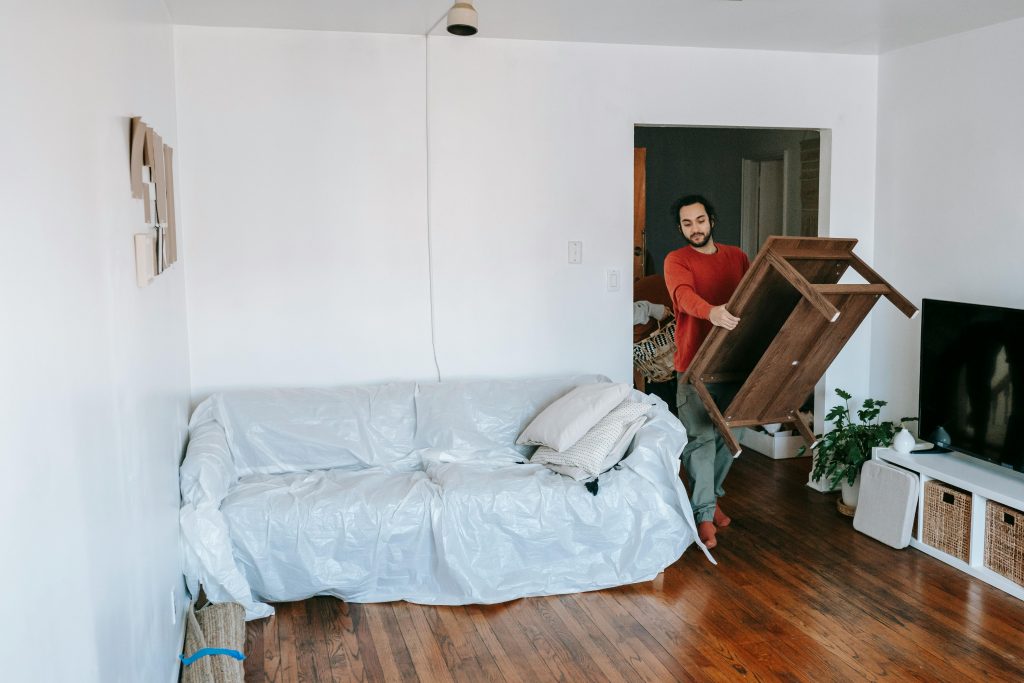
Before making any purchases, it’s important to evaluate what you already have. Many home improvements don’t require buying new items—they come from rearranging, repurposing, or simplifying your existing space. Taking the time to assess your current layout and belongings can help you identify what’s working and what isn’t. Often, small adjustments can significantly improve how your home functions without adding extra costs.
Instead of rushing into upgrades, focus on maximizing the value of what you already own. This approach not only saves money but also encourages more intentional decisions about what your home truly needs.
Budget-Friendly Starting Points
- Rearrange furniture to improve flow and accessibility: Adjust layouts to make movement easier and create more open space
- Remove items you no longer use: Letting go of unnecessary belongings instantly reduces clutter and frees up room
- Repurpose containers or storage bins you already own: Use existing items in new ways to improve organization
- Focus on one room at a time: Breaking the process into smaller areas makes it more manageable and less overwhelming
Starting small helps you see progress quickly and builds momentum. Over time, these simple changes can lead to a more functional, comfortable home without the need for a large budget.
Why Is Decluttering the First Step to Better Functionality?
Decluttering is one of the most powerful and cost-effective ways to improve your home. When you remove excess items, you instantly create more space and reduce the time needed for cleaning and organizing.
Easy Decluttering Methods
- Sort items into keep, donate, and discard categories
- Focus on high-use areas like the kitchen and living room
- Declutter in short sessions to avoid burnout
- Let go of items that no longer serve a purpose
A clutter-free home not only looks better but also functions more efficiently on a daily basis.
How Can Smart Storage Solutions Transform Your Space?
Storage plays a huge role in maintaining an organized home. The goal is to make storage accessible, practical, and easy to maintain.
Affordable Storage Ideas
- Use vertical space with shelves or hooks
- Add baskets or bins for quick organization
- Utilize under-bed storage for seasonal items
- Store frequently used items within easy reach
Good storage systems reduce the chances of clutter returning and make daily routines smoother.
What Are Simple Upgrades That Improve Everyday Living?
You don’t need expensive renovations to enhance your home’s functionality. Small upgrades can make a noticeable difference in how your space feels and works.
Low-Cost Improvement Ideas
- Replace old light bulbs with brighter, energy-efficient ones
- Add mirrors to make rooms feel larger and brighter
- Upgrade cabinet handles or drawer pulls
- Use peel-and-stick solutions for quick design updates
These small changes can refresh your home without requiring a large investment.
How Can You Improve Your Kitchen Without Remodeling?
The kitchen is one of the most used spaces in any home, so improving its functionality can have a big impact on your daily routine. You don’t need a full renovation to make meaningful changes—small adjustments in organization and layout can significantly improve how your kitchen works. When everything is easy to find and within reach, cooking becomes more enjoyable and cleanup feels less overwhelming.
Instead of focusing on expensive upgrades, think about how your kitchen flows. The goal is to reduce unnecessary steps, keep surfaces clear, and create a system that supports how you use the space every day.
Practical Kitchen Improvements
- Organize items by zones (cooking, prep, storage): Group similar items together so you can move efficiently between tasks
- Keep countertops clear to create more workspace: Store rarely used items to free up room for food preparation
- Use drawer organizers for utensils: Prevent clutter and make it easier to find what you need quickly
- Store frequently used items within reach: Keep everyday tools and ingredients accessible to save time
When your kitchen is organized and efficient, cooking and cleaning become much easier. Even simple changes can turn your kitchen into a space that supports your routine instead of slowing you down.
How Do You Make Small Spaces Work Better?
Limited space doesn’t have to feel restrictive. With the right approach, small areas can be just as functional as larger ones.
Tips for Maximizing Small Spaces
- Choose multi-functional furniture
- Use wall-mounted storage to save floor space
- Keep surfaces clear to reduce visual clutter
- Stick to a simple color palette to create openness
Making the most of small spaces is all about being intentional with what you keep and how you use it.
Why Is Lighting Important for Functionality?
Lighting affects both the appearance and usability of your home. Poor lighting can make tasks harder and spaces feel smaller.
Ways to Improve Lighting on a Budget
- Maximize natural light by keeping windows clear
- Add lamps in darker areas
- Use warm lighting for comfort and cool lighting for task areas
- Replace dim bulbs with brighter options
Better lighting improves both productivity and comfort in your home.
How Can Daily Systems Make Your Home Easier to Maintain?
A functional home relies on systems that simplify everyday tasks. These systems reduce decision-making, eliminate guesswork, and help keep everything in order without requiring constant effort. Instead of reacting to mess or disorganization, you create a structure that naturally keeps your home running smoothly. When routines are clear and consistent, daily responsibilities feel more manageable and less overwhelming.
Daily systems are especially helpful in busy households where multiple people share the same space. They create a sense of order and make it easier for everyone to know what to do and where things belong. Over time, these systems become second nature, saving both time and energy.
Examples of Helpful Home Systems
- A designated spot for keys, bags, and essentials: Prevents last-minute searching and keeps entryways organized
- A shared calendar for schedules: Helps track appointments, events, and responsibilities in one place
- A weekly cleaning routine: Breaks tasks into manageable steps and prevents chores from piling up
- A simple laundry schedule: Keeps laundry under control and avoids overwhelming backlogs
When systems are easy to follow, they naturally turn into habits. These habits help maintain a clean, organized, and efficient home without requiring constant attention or effort.
How Can You Maintain Cleanliness Without Feeling Overwhelmed?
Maintaining a clean home doesn’t require long hours of effort. Instead, it’s about consistency and small daily actions.
Easy Cleaning Habits
- Clean as you go during daily activities
- Do quick resets at the end of the day
- Focus on high-traffic areas first
- Break cleaning tasks into manageable steps
These habits support keeping home clean and efficient, helping you maintain order without feeling overwhelmed.
What Are Budget-Friendly Ways to Improve Your Bedroom?
Your bedroom should be a place of rest and relaxation. Improving its functionality doesn’t require expensive upgrades—simple, thoughtful changes can make a noticeable difference in how the space feels and supports your daily routine. When your bedroom is organized and comfortable, it becomes easier to unwind at the end of the day and start your mornings with less stress.
Instead of focusing on décor alone, think about how your bedroom works for you. A functional setup promotes better sleep, reduces clutter, and creates a calm atmosphere that supports both physical and mental well-being.
Simple Bedroom Improvements
- Use storage solutions to reduce clutter: Utilize under-bed storage, baskets, or shelves to keep items out of sight and organized
- Keep bedside essentials within reach: Place items like a lamp, book, or phone charger nearby for convenience
- Choose comfortable and breathable bedding: Invest in quality materials that improve sleep without overspending
- Limit distractions like excess electronics: Reduce noise and screen time to create a more restful environment
A well-organized bedroom helps you unwind and recharge more effectively. Even small improvements can transform your space into a peaceful retreat that supports better rest and overall comfort.
How Can You Improve Bathroom Functionality?
Bathrooms are often small but heavily used, making functionality especially important.
Practical Bathroom Tips
- Use organizers for toiletries
- Keep frequently used items accessible
- Add hooks for towels to save space
- Clean regularly to prevent buildup
Small improvements can make your bathroom more efficient and easier to maintain.
Why Is Preventative Maintenance Important?
Preventative maintenance helps you avoid costly repairs and keeps your home functioning properly over time.
Basic Maintenance Tasks
- Check for leaks and fix them early
- Clean gutters and drains regularly
- Inspect electrical outlets and switches
- Maintain appliances according to guidelines
Taking care of small issues early prevents them from becoming larger problems.
How Can You Prepare Your Home for Extreme Weather?
Weather-related damage can disrupt your home’s functionality and lead to expensive repairs. Preparing in advance is key.
Homeowners should take steps to protect home before hurricane conditions arise by securing outdoor items, checking structural integrity, and ensuring proper drainage around the property.
Simple Preparation Tips
- Reinforce doors and windows
- Trim nearby trees and branches
- Secure loose outdoor furniture
- Keep emergency supplies accessible
Preparation helps protect both your home and your peace of mind.
How Do You Balance Style and Functionality?
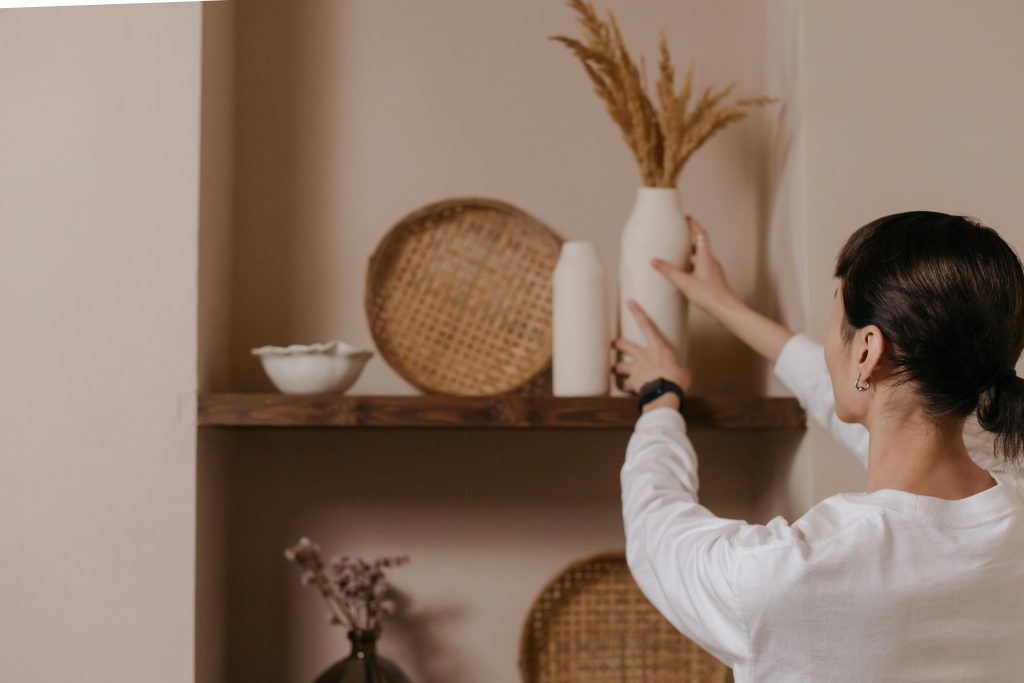
While functionality is important, your home should still reflect your personal style. The key is finding a balance between aesthetics and practicality.
Ways to Combine Style and Function
- Choose décor that also serves a purpose
- Keep designs simple and uncluttered
- Use colors and textures to add warmth
- Avoid overcrowding your space
A well-balanced home feels both beautiful and practical.
How Can You Stay Consistent With Improvements?
Improving your home is an ongoing process. Staying consistent with small changes leads to lasting results.
Tips for Long-Term Success
- Focus on one improvement at a time
- Set realistic goals
- Build habits that support your systems
- Reassess your space regularly
Consistency ensures that your home continues to meet your needs over time.
Final Thoughts on Improving Your Home on a Budget
Creating a functional home doesn’t require a large budget or complicated renovations. By focusing on organization, smart storage, simple upgrades, and consistent habits, you can transform your space into one that supports your daily life.
Small, intentional changes can have a lasting impact. As you continue to improve your home, you’ll find that functionality and comfort naturally follow, making your space easier to maintain and more enjoyable to live in.
