Explore the efficiency and practicality of garden grid watering systems, a solution that maximizes water resources while promoting healthy plant growth. As environmental concerns rise, gardeners are seeking methods that not only conserve water but also support robust plant life. Garden grid watering systems offer an innovative technique that meets these needs by delivering precise hydration where it is needed most. By understanding the unique benefits and functions of the grid system, gardeners can greatly enhance their efforts and results.
The adoption of such a system represents a commitment to sustainable gardening practices that nurture both the Earth and its flora.
1. Why Choose Garden Grid Watering Over Traditional Methods?
Garden grid watering systems present numerous advantages over more traditional approaches such as hand watering or sprinkler systems. One of the primary benefits is their ability to deliver consistent water distribution across the planting area without overwatering or draining. This precision reduces water waste, a critical factor in regions prone to drought or water restrictions. Training the water supply through a grid of interconnected lines, this method ensures even the most minor sections of soil receive adequate moisture. As a result, plants tend to thrive with less manual intervention, allowing gardeners the freedom to focus on other important aspects of garden care.
Traditional watering methods often struggle with efficiency, either due to evaporation, runoff, or simple human error. In contrast, garden grid systems are built to function seamlessly with the natural landscape, contouring it to minimize water loss and enhance soil permeability. By utilizing a grid system, the risks of uneven watering—which can cause problems such as root rot or fungal growth—are substantially diminished. Additionally, these systems can be adjusted to accommodate specific plant needs, offering targeted water delivery to individual zones or plants. This level of customization is particularly beneficial for gardens with diverse plant species, each with its own unique hydration requirements.
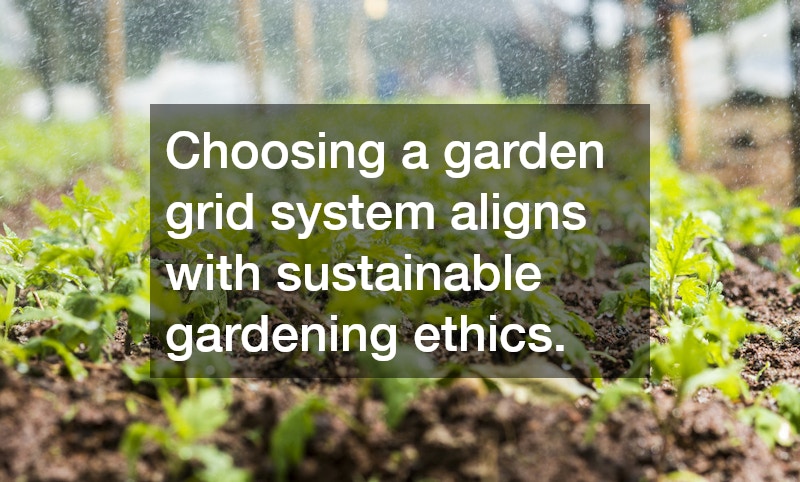
Choosing a garden grid system aligns with sustainable gardening ethics by reducing unnecessary water consumption and promoting environmental stewardship. Unlike some conventional methods, grid systems often use drip irrigation principles that minimize evaporation and maximize absorption rates. They operate quietly and are generally less invasive than sprinklers or hose systems, ensuring neighborhood peace and a low profile in the landscape. Furthermore, many grid watering setups are compatible with timers and sensors, enabling truly hands-off operation and making it easy to manage watering schedules. This not only saves time but also provides peace of mind, knowing that plants are consistently cared for.
2. How Does a Garden Grid Watering System Work?
A garden grid watering system consists of a network of interconnected tubes or hoses laid out in a grid pattern, strategically placed throughout the garden space. Water is distributed evenly across the grid using small emitters or holes positioned at intervals, ensuring precise application directly to the soil surface and minimizing waste. These systems typically connect to a central water source, such as a tap or rainwater collection barrel, and can be augmented with pressure regulators or flow controllers to fine-tune the water application rate. The flexibility of the design allows gardeners to expand or modify the system as their garden grows or changes.
The installation of a garden grid system begins with planning the layout to ensure optimal coverage of the planting area. This phase involves measuring the garden space and determining the best pathways for hoses, reducing any potential obstacles or areas prone to flooding. Once the framework is in place, the hoses are secured, and the necessary emitters are installed, each selected based on the specific needs of the plants they will serve. This aspect of the system offers unparalleled precision, with the ability to administer different amounts of water according to plant size, species, or developmental stage.
After installation, maintaining a garden grid system is relatively straightforward. Regular inspections ensure that there are no clogs or breaks in the hoses, and any issues can be remedied quickly with simple repairs or replacements. Seasonal adjustments may be needed, particularly during periods of extreme weather, to maintain optimal performance. Whether using freshwater or recycled sources, these systems adapt to various conditions, making them a valuable tool for year-round gardening. Their design fosters an environment where plants can flourish, supported by a consistent and reliable irrigation method.
3. Can Garden Grid Systems Be Used for All Types of Plants?
Garden grid watering systems are incredibly versatile and can cater to a wide spectrum of plant species, from delicate herbs to robust shrubs. Their precise water delivery ensures that sensitive plants receive just the right amount of moisture without the risk of overwatering, which is a common concern for certain flora. While some plant species have stringent requirements regarding water and light, the adaptability of the garden grid system allows for individual customization. Gardeners can easily modify water output to match the specific needs of each plant, ensuring optimal growth conditions year-round.
While garden grid systems are well-suited to most gardens, consideration should be given to the specific species and local climate when planning and setting up the system. For example, plants that thrive in arid conditions may require less frequent watering, which can be adjusted accordingly in the system’s settings. Conversely, more water-dependent plants can benefit from lower emitter flow rates or increased watering frequency. Mulching around plants can also complement the garden grid system by helping to retain soil moisture and reduce evaporation, further contributing to efficient water management and healthy plant growth.
Additionally, garden grid systems can be environmentally friendly, supporting sustainable gardening practices that prioritize resource conservation. Collecting rainwater and utilizing it within the grid system is an excellent example of integrating eco-friendly methods with plant care. This approach not only cuts down on municipal water use but also reduces the risk of nutrient leaching, promoting a healthier ecosystem. By aligning plant species and watering schedules with natural climatic conditions, gardeners can create diverse, resilient landscapes that are both beautiful and environmentally conscious.