
A well-balanced home life is about more than just having a place to live—it’s about creating an environment that supports your daily routines, nurtures your relationships, and promotes your well-being. Whether you’re managing a busy household, working from home, or simply trying to make your space more functional, small improvements can make a big difference over time.
This guide explores practical, easy-to-follow strategies to help you build a more organized, comfortable, and efficient home life without overwhelming your schedule or budget.
What Does a Healthy Home Life Really Look Like?
A healthy home life isn’t about perfection or having everything in order all the time. Instead, it’s built on consistency, comfort, and the ability to adapt to changing needs. Every household is unique, shaped by different routines, personalities, and responsibilities. However, homes that feel balanced and supportive often share a few essential qualities that make daily life smoother and more enjoyable.
Key Elements of a Healthy Home
- A sense of routine and structure: Having predictable daily rhythms helps reduce stress and keeps everyone on the same page
- Open communication among family members: Honest conversations build trust and help resolve issues before they grow
- Functional and clutter-free spaces: An organized environment makes it easier to focus, relax, and complete everyday tasks
- Time set aside for rest and connection: Prioritizing downtime and meaningful interactions strengthens relationships
These elements don’t have to be perfect or rigidly followed. What matters most is consistency and effort over time. When your home supports both productivity and relaxation, it becomes a place where you can recharge, feel secure, and maintain a sense of balance in your daily life.
How Can You Create a Functional Daily Routine?
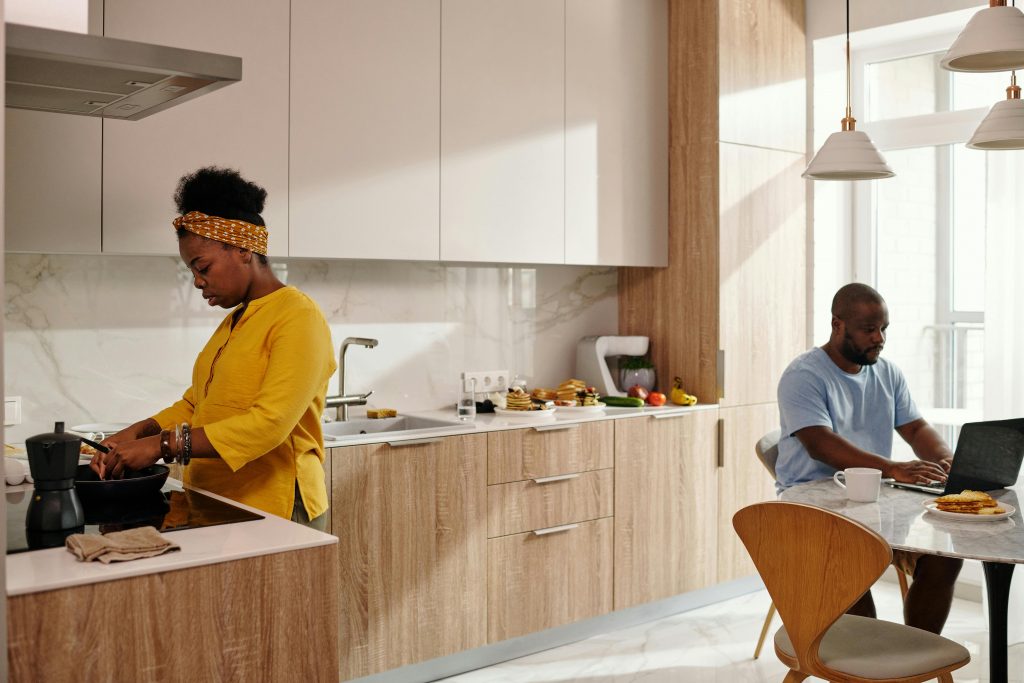
Daily routines are the backbone of a smooth household. Without them, even simple tasks can feel overwhelming.
Start by identifying your non-negotiables—things that must happen every day, such as meals, work, school, or cleaning. Then build your routine around those priorities.
Tips for Building a Sustainable Routine
- Keep it realistic: Avoid overloading your schedule
- Use time blocks: Assign general time periods for tasks
- Prepare the night before: Lay out clothes, prep meals, and organize essentials
- Stay flexible: Adjust when needed instead of abandoning the routine
A good routine should make your life easier, not more stressful.
Why Is Decluttering Important for Home Life?
Clutter doesn’t just take up physical space—it can also weigh on your mental clarity and overall well-being. When your surroundings are disorganized, it becomes harder to focus, relax, and complete everyday tasks efficiently. A cluttered home often leads to feelings of stress, overwhelm, and even tension among family members, especially when items are difficult to find or spaces feel cramped.
Decluttering isn’t about removing everything you own or striving for a perfectly minimal space. Instead, it’s about being intentional with what you keep and surrounding yourself only with items that serve a purpose or bring value to your daily life. By doing so, you create a more functional and calming environment that supports your routines.
Simple Decluttering Strategies
Getting started can feel overwhelming, but breaking the process into small, manageable steps makes it much easier to maintain over time.
- Start with one area at a time: Focus on a single drawer, shelf, or room to avoid feeling overloaded
- Use the “keep, donate, discard” method: Sort items based on their usefulness and condition
- Focus on high-traffic spaces: Prioritize areas like the kitchen and living room where clutter builds up quickly
- Set a timer for 15–20 minutes: Short sessions help prevent burnout and make decluttering more consistent
With regular effort, these simple habits can gradually transform your home into a more peaceful, organized space that promotes clarity and comfort.
How Do You Design a Comfortable Living Space?
Comfort is key when it comes to home life. A well-designed space should not only look appealing but also support your daily activities and personal preferences. Your home should feel like a reflection of who you are while still being practical enough to meet your needs. When comfort and functionality come together, your space becomes more inviting and easier to live in.
Designing a comfortable living space doesn’t require a large budget or a complete makeover. Often, small adjustments in layout, lighting, and décor can make a noticeable difference in how your home feels.
Elements of a Comfortable Home
- Lighting: Use a mix of natural light during the day and warm lighting in the evening to create a cozy atmosphere
- Furniture layout: Arrange furniture to allow easy movement and ensure that frequently used areas are accessible
- Textures: Add soft furnishings like rugs, cushions, and curtains to make the space feel warm and inviting
- Personal touches: Display photos, artwork, or meaningful items that reflect your personality and experiences
A comfortable home is one that works for your lifestyle and makes you feel at ease. It doesn’t need to be expensive or perfectly styled—it simply needs to feel right for you and those who share the space.
What Are Practical Ways to Save Energy at Home?
Energy efficiency is not only good for the environment but also helps reduce your monthly expenses.
There are many simple changes you can implement immediately.
Easy Energy-Saving Habits
- Turn off lights and appliances when not in use
- Use energy-efficient bulbs
- Maximize natural light during the day
- Unplug devices that aren’t being used
Many homeowners are now exploring ways to reduce home energy costs by combining these habits with long-term upgrades like better insulation or energy-efficient appliances.
Even small adjustments can lead to noticeable savings over time.
How Can Families Stay Organized?
Keeping a household organized can be challenging, especially when multiple people are involved and each person has their own schedule, responsibilities, and routines. Without a clear system, it’s easy for things to become chaotic. The key to staying organized as a family is to create simple, practical systems that everyone understands and can follow consistently.
Organization doesn’t have to be complicated. In fact, the more straightforward your system is, the more likely it is to work in the long run. When everyone in the household knows where things belong and what’s expected of them, daily tasks become more manageable and less stressful.
Organization Ideas for Busy Homes
- Use a shared calendar for schedules and appointments: Keep track of school events, work commitments, and family activities in one place
- Assign age-appropriate chores: Involving everyone helps distribute responsibilities and builds good habits
- Create designated spaces for commonly used items: Have specific spots for keys, bags, and important documents to avoid last-minute searching
- Label storage containers for easy access: Labels make it easier for everyone to find and return items where they belong
Consistency is more important than perfection. Even if things don’t go exactly as planned every day, maintaining these systems over time helps create a more organized and harmonious home environment.
What Are Effective Meal Planning Strategies?
Meal planning is one of the most effective ways to save time, reduce stress, and avoid unnecessary spending.
Instead of deciding what to cook every day, plan your meals in advance.
Benefits of Meal Planning
- Reduces last-minute decisions
- Minimizes food waste
- Helps maintain a balanced diet
- Saves money on groceries
Simple Meal Planning Tips
- Plan meals for the week
- Prep ingredients in advance
- Cook in batches when possible
- Keep a list of easy go-to meals
With practice, meal planning becomes a natural part of your routine.
How Do You Balance Work and Home Responsibilities?
Balancing work and home life can be difficult, especially if you work remotely or have a demanding schedule.
The key is setting boundaries and managing your time effectively.
Ways to Maintain Balance
- Set clear work hours
- Create a dedicated workspace
- Take regular breaks
- Avoid multitasking whenever possible
Remember, productivity isn’t about doing more—it’s about doing what matters most.
How Can Parents Manage Their Time More Effectively?
Parenting comes with its own unique set of challenges, especially when juggling work, household responsibilities, and personal time.
One of the most important steps is finding reliable support systems. Many families explore different childcare options for busy parents to help maintain balance and ensure their children are well cared for during working hours.
Time Management Tips for Parents
- Prioritize essential tasks
- Accept that not everything will be perfect
- Delegate responsibilities when possible
- Schedule downtime for yourself
Taking care of yourself is just as important as taking care of your family.
What Role Does Communication Play at Home?
Strong communication is the foundation of any successful household. It helps prevent misunderstandings and strengthens relationships.
Ways to Improve Communication
- Hold regular family discussions
- Encourage open and honest conversations
- Listen actively without interrupting
- Address issues calmly and respectfully
When everyone feels heard, the home becomes a more supportive environment.
How Can You Make Cleaning More Manageable?
Cleaning doesn’t have to be overwhelming. Breaking it into smaller tasks can make it much more manageable.
Daily Cleaning Habits
- Make the bed every morning
- Wash dishes after meals
- Wipe down surfaces regularly
- Do a quick tidy-up before bed
Weekly Cleaning Tasks
- Vacuum and mop floors
- Clean bathrooms
- Change bed linens
- Dust furniture
Creating a cleaning schedule helps prevent chores from piling up.
How Do You Create a Relaxing Atmosphere at Home?
Your home should be a place where you can unwind and recharge after a long day.
Ideas for a Calming Environment
- Use soothing colors and décor
- Play soft background music
- Incorporate plants or natural elements
- Keep noise levels under control
Even small changes can make your home feel more peaceful and inviting.
What Are Smart Storage Solutions for Small Spaces?
Limited space doesn’t have to mean limited functionality. With the right storage solutions, you can maximize every inch of your home.
Space-Saving Ideas
- Use vertical storage like shelves and hooks
- Invest in multi-functional furniture
- Utilize under-bed storage
- Keep only what you truly need
Efficient storage helps keep your home organized and clutter-free.
How Can You Build Stronger Family Connections?
Spending quality time together is essential for maintaining strong family relationships.
Simple Ways to Connect
- Share meals together
- Plan regular family activities
- Limit screen time during bonding moments
- Celebrate small achievements
These moments don’t have to be elaborate—consistency matters more than anything.
Why Is Self-Care Important in Home Life?

Taking care of yourself allows you to show up better for your household. When your physical, emotional, and mental needs are met, you’re more patient, focused, and capable of handling daily responsibilities. Without self-care, stress can build up quickly, leading to burnout, irritability, and decreased productivity. A well-balanced home life starts with a well-supported individual, which is why prioritizing your own well-being benefits not just you, but everyone around you.
Easy Self-Care Practices
Incorporating self-care into your routine doesn’t have to be complicated or time-consuming. Small, consistent actions can have a lasting impact on your overall health and mood.
- Get enough sleep: Aim for consistent, quality rest to recharge your body and mind
- Take short breaks during the day: Step away from tasks to reset and avoid mental fatigue
- Engage in hobbies you enjoy: Make time for activities that bring you joy and relaxation
- Practice mindfulness or relaxation techniques: Try deep breathing, meditation, or quiet reflection
By making self-care a regular habit, you create a stronger foundation for managing your home life effectively. Self-care isn’t a luxury—it’s a necessity for maintaining balance and long-term well-being.
How Do You Adapt Your Home to Changing Needs?
As your life evolves, your home should evolve with it. Whether it’s a growing family, a new job, or lifestyle changes, flexibility is key.
Ways to Stay Adaptable
- Reevaluate your routines regularly
- Update your space to match your needs
- Let go of systems that no longer work
- Be open to trying new approaches
A home that adapts to you will always feel more supportive.
Final Thoughts on Building a Better Home Life
Creating a comfortable and efficient home life doesn’t require drastic changes. It’s about making small, consistent improvements that align with your lifestyle and priorities.
From organizing your space to improving communication and managing your time effectively, each step contributes to a more balanced and fulfilling home environment. Focus on what works best for you and your household, and remember that progress is more important than perfection.
With the right mindset and practical strategies, your home can become a place that truly supports your everyday life.
