
Building an apartment complex is one of the most demanding forms of real estate development, requiring coordination across legal, financial, technical, and logistical domains. Unlike smaller residential builds, apartment construction involves a higher degree of regulation, longer timelines, and greater financial exposure. Every decision, from land selection to final inspections, has long-term implications that affect operational efficiency, tenant satisfaction, and overall return on investment.
The process is rarely linear. Instead, it unfolds through overlapping phases that require constant communication between planners, designers, contractors, inspectors, and financial stakeholders. Misalignment at any point can cause delays, cost overruns, or regulatory setbacks. Because of this, successful apartment development depends on thorough preparation, realistic forecasting, and a clear understanding of what must be addressed at each stage.
Approaching apartment construction as a structured sequence of interconnected responsibilities allows developers to manage risk more effectively. It also supports smoother execution by identifying potential obstacles before they escalate into costly problems. By understanding the full scope of what needs to be done when building an apartment complex, developers can maintain momentum while balancing compliance, quality, and long-term performance.
Site Selection and Land Acquisition
Site selection is one of the most consequential decisions in the entire apartment development process. The location of a property influences everything from construction logistics to long-term tenant demand. Developers must evaluate proximity to employment centers, transportation corridors, retail hubs, healthcare facilities, and educational institutions. Accessibility and neighborhood amenities play a significant role in determining whether a development will attract and retain residents over time.
Beyond surrounding amenities, the physical characteristics of a site are equally important. Parcel size, shape, slope, soil composition, and drainage patterns all affect design feasibility and construction methods. A site that appears attractive at first glance may present hidden challenges that increase costs or limit buildable area. Environmental conditions, flood zones, and existing infrastructure must be carefully reviewed before any acquisition decision is finalized.
From a transactional perspective, land acquisition requires extensive due diligence. Title reviews, surveys, environmental assessments, and utility confirmations are essential steps that protect developers from unforeseen liabilities. Legal restrictions, easements, or development covenants can significantly limit how a property may be used. A well-selected parcel supports efficient construction and stable operations, while a poorly chosen site can constrain the long-term success of the apartment and introduce avoidable complications throughout the project lifecycle.
Zoning, Permits, and Regulatory Approval
Zoning regulations define the fundamental boundaries of what can be built on a given property. These rules govern density, building height, setbacks, parking ratios, and allowable uses. Understanding zoning requirements early helps developers determine whether their vision aligns with municipal planning objectives or whether variances and rezoning efforts will be required.
Navigating zoning regulations also involves understanding how local governments balance growth, infrastructure capacity, and community concerns. Some jurisdictions actively encourage multifamily development, while others impose stricter limitations. Public input, planning commission reviews, and city council approvals may all be part of the process, adding layers of complexity and potential delay.
On a more procedural level, obtaining permits requires coordination across multiple departments, including planning, building, fire, and environmental agencies. Plan submissions are often reviewed in stages, with revisions requested before approvals are granted. When issues arise or requirements are contested, a project may enter administrative bail, effectively pausing progress until all regulatory conditions are satisfied. Managing this phase carefully helps prevent timeline disruptions and supports a smoother transition into construction.
Market Research and Project Feasibility
Market research provides the foundation for informed decision-making throughout apartment development. This phase examines local housing demand, population growth trends, income distribution, and renter preferences. Understanding who the target residents are and what they value helps shape everything from unit layouts to amenity offerings and pricing strategies.
Competitive analysis is another critical component of market research. Developers must assess existing apartment communities, planned developments, and vacancy rates to determine how a new project will fit into the local rental landscape. Oversaturating a market or misjudging demand can significantly affect occupancy levels and financial performance.
Feasibility studies translate market insights into financial projections. These analyses evaluate construction costs, operating expenses, financing terms, and anticipated rental income over time. Sensitivity testing helps identify risks related to interest rate changes, cost inflation, or shifts in demand. Developers may also consult professionals such as a custom home builder to gain perspective on construction methods, material trends, and design features that appeal to renters while remaining financially viable.
Architectural Design and Space Planning
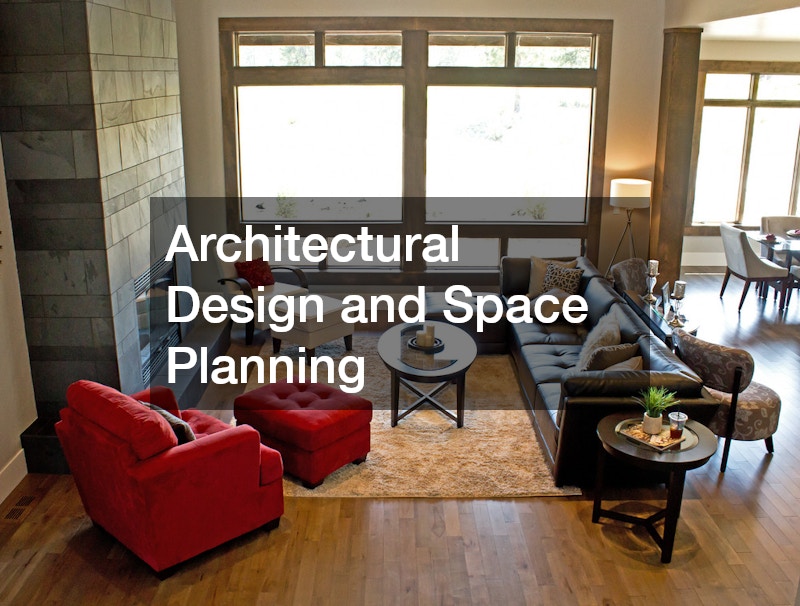
Architectural design transforms conceptual goals into a buildable structure that balances form and function. This phase addresses building massing, unit configurations, circulation paths, and shared spaces such as lobbies, fitness areas, and outdoor amenities. Thoughtful design improves resident experience while supporting efficient operations and maintenance.
Space planning plays a critical role in maximizing usable square footage without compromising comfort or accessibility. Unit layouts must accommodate modern living needs while adhering to building codes and accessibility standards. Decisions made during this phase influence construction complexity, material usage, and long-term adaptability.
Material selection and exterior finishes are also determined during design development. Choices such as exterior paints affect durability, weather resistance, and visual cohesion across the property. Architects must coordinate closely with engineers to integrate structural systems, mechanical components, and energy-efficiency measures. Clear, well-coordinated designs help reduce construction conflicts and support smoother execution in later phases.
Budgeting, Financing, and Cost Control
Budgeting establishes the financial parameters that guide the entire apartment development process. This phase accounts for land costs, professional fees, construction labor, materials, permitting, insurance, and contingency reserves. A comprehensive budget provides visibility into cash flow requirements and helps align funding sources with project milestones.
Financing strategies vary depending on project size, market conditions, and developer objectives. Loans, equity investments, and phased funding arrangements each carry different risks and reporting obligations. Understanding these structures allows developers to plan draw schedules, manage interest exposure, and maintain financial stability throughout construction.
Cost control extends beyond initial budgeting and requires ongoing monitoring as the project progresses. Material price fluctuations, labor availability, and unforeseen site conditions can all affect expenses. Operational considerations also influence long-term financial planning, including waste management systems and handling used cooking oils in shared residential facilities. Factoring these elements into the budget supports more accurate life-cycle cost projections and smoother property management after completion.
Contractor Selection and Project Scheduling
Selecting qualified contractors is essential to maintaining quality, efficiency, and accountability during apartment construction. Developers must evaluate experience with similar projects, licensing status, safety records, and the ability to coordinate with other trades. Clear scopes of work and contractual expectations help reduce disputes and support consistent performance.
Project scheduling translates plans into actionable timelines. Each phase of construction must be sequenced to account for inspections, material deliveries, and dependencies between trades. Poor scheduling can lead to idle crews, rework, and unnecessary delays that increase costs.
Roofing is a particularly sensitive component of scheduling, as it protects interior work and structural elements from weather exposure. Hiring a metal roof contractor at the appropriate stage helps maintain construction momentum while supporting long-term durability. Effective coordination during this phase reduces disruptions and contributes to a more predictable build timeline.
Utility Infrastructure and Site Preparation
Utility infrastructure is the backbone of a functional apartment complex. Planning includes water supply, wastewater systems, electrical service, gas lines, and telecommunications. Early coordination with utility providers helps confirm capacity, connection points, and installation timelines.
Site preparation is closely tied to utility planning and must be completed before major construction activities begin. Grading, erosion control, and access road construction create safe conditions for crews and equipment. Addressing these elements early reduces delays and supports efficient workflow.
Natural features and existing vegetation can interfere with infrastructure installation. In many cases, tree removal is necessary to clear building footprints, utility corridors, and equipment access routes. Completing this work early helps avoid conflicts during later construction phases and supports safer, more efficient installation of underground systems.
Construction Phases and Quality Oversight
The construction phase is where planning, design, and coordination converge into physical progress. Work typically advances through structured stages, including foundations, framing, enclosure, mechanical systems, and interior finishes. Each phase builds upon the previous one, making accuracy and consistency critical.
Quality oversight during construction helps confirm that work aligns with approved plans and specifications. Inspections, testing, and documentation are used to verify materials, workmanship, and compliance with safety standards. Proactive oversight reduces rework and helps identify issues before they escalate.
Large-scale apartment construction often involves heavy materials and complex structural components. A crane service supports safe lifting and precise placement during vertical construction, improving efficiency and reducing the risk of damage or injury. Coordinated oversight during these operations helps maintain schedule integrity and construction quality.
Safety Compliance and Risk Management
Safety compliance is a continuous responsibility throughout apartment construction. This phase focuses on protecting workers, inspectors, and the surrounding community through training, protective equipment, and adherence to regulatory standards. Clear safety protocols help reduce accidents and support uninterrupted progress.
Risk management also involves anticipating potential hazards and implementing controls before incidents occur. Weather exposure, material storage, and equipment movement must all be managed carefully to maintain a safe job site.
Debris management is a critical component of site safety. Construction waste must be removed regularly to prevent obstructions and hazards. Coordinating roll off dumpster rentals allows crews to manage debris efficiently while maintaining compliance with disposal regulations and supporting a safer working environment.
Final Inspections, Leasing, and Occupancy Preparation
Final inspections represent the transition from construction to operation. Inspectors evaluate structural integrity, mechanical systems, fire protection, accessibility, and code compliance. Approval at this stage is required before residents can occupy the building and leasing activities can proceed fully.
Occupancy preparation extends beyond inspections and includes system testing, final repairs, and cleaning. Property management teams often begin onboarding processes during this phase to prepare for resident move-ins.
Exterior systems are also reviewed for durability and long-term performance. Roofing, in particular, is evaluated for weather resistance and energy efficiency. Applying a roof coating at this stage can help extend roof lifespan, reduce maintenance demands, and support long-term operational stability as the apartment enters active use.
Sustainability, Energy Efficiency, and Long-Term Performance
Sustainability has become an increasingly important consideration in apartment development, influencing both construction decisions and long-term operational outcomes. Planning for energy efficiency early in the process helps reduce utility costs, improve building performance, and align the project with evolving regulatory expectations. Features such as high-efficiency HVAC systems, insulation strategies, and water-saving fixtures contribute to a more resilient property while supporting tenant comfort.
Long-term performance is also shaped by material selection and system durability. Choosing components that require less frequent replacement can reduce maintenance demands and operating expenses over time. Sustainability planning often includes evaluating energy modeling data, building envelope performance, and future adaptability. When sustainability is integrated into the development strategy rather than treated as an afterthought, apartment complexes are better positioned to remain competitive and functional as market expectations continue to evolve.
Property Management Planning and Operational Readiness
Property management planning bridges the gap between construction completion and daily operation. This phase focuses on preparing the systems, staff, and processes required to manage the apartment complex effectively once residents move in. Early planning helps align leasing strategies, maintenance workflows, and resident communication systems with the physical layout of the property.
Operational readiness also includes planning for staffing levels, vendor relationships, and preventative maintenance schedules. Establishing these systems before occupancy supports smoother move-ins and reduces early-stage disruptions. When property management considerations are addressed during development rather than after construction, the transition to full occupancy tends to be more organized, efficient, and sustainable over the long term.
Building an apartment complex is a multi-phase process that demands careful planning, coordination, and execution. Each stage, from site selection through final occupancy, plays a critical role in determining project success. Early decisions influence later outcomes, making preparation and foresight essential throughout the development lifecycle.
Successful apartment developments are shaped by structured processes, informed decision-making, and consistent oversight. By understanding what needs to be done at every stage, developers can reduce uncertainty, manage risk, and maintain control over cost and quality. Treating apartment construction as an interconnected sequence rather than a series of isolated tasks supports smoother execution and long-term viability.
