
Home represents sanctuary, comfort, and the backdrop against which your family builds lifelong memories. It is the place where you unwind after a demanding day, celebrate milestones, and watch your children grow. Because everyday life unfolds largely within these four walls, ensuring that the living environment remains secure, healthy, and resilient against unexpected hazards is one of the most vital responsibilities of homeownership. True safety stems from deliberate planning, routine maintenance, and an acute awareness of potential risks.
Many households view their living space primarily through aesthetic comfort, inadvertently overlooking subtle dangers that can escalate over time. From physical break-ins and sudden severe weather events to structural wear, airborne toxins, and hidden water issues, residential risks take many forms. When safety is approached casually, small maintenance oversights can rapidly transform into major emergencies that jeopardize personal well-being and substantial financial investments.
Creating a safe haven requires a balanced, proactive approach that addresses immediate physical protection alongside long-term structural integrity and environmental wellness. When every room is evaluated for vulnerabilities, practical steps can be implemented to minimize danger. By establishing reliable safeguards and building clear response plans before problems occur, you protect your loved ones effectively and cultivate lasting peace of mind.
Physical Security and Perimeter Fortification

A truly safe residence begins with a fortified exterior boundary. If access to your yard and entryways is poorly regulated, intruders find easy opportunities to approach unnoticed. Enhancing boundary protection deters unwanted visitors while creating a clearly defined play zone where pets and children can explore without fear of wandering into street traffic.
Hardening Perimeter Access Points
Securing property lines establishes a definitive psychological and physical barrier between public space and your private living quarters. A sturdy perimeter eliminates unauthorized shortcuts across your lawn and discourages opportunistic theft. When evaluating outer defenses, researching gate installation companies allows property owners to select resilient, automated access options that withstand physical impact and harsh weather conditions. Modern perimeter entries can be integrated seamlessly with keypad systems, video intercoms, and remote smartphone controls.
- Install perimeter fences built to a minimum height of six feet using sturdy materials like wrought iron or heavy-duty aluminum.
- Ensure all motorized vehicular entries and pedestrian gates lock automatically upon closure.
- Clear away low-hanging tree branches and overhanging vegetation that could serve as ladders over boundary fences.
- Place motion-activated perimeter floodlights at blind spots along driveways and walkways to eliminate hiding spots.
Securing Doors, Frames, and Window Hardware
While boundaries provide an exterior defense, the primary physical barrier remains the structural envelope of the house itself. Standard builder-grade fixtures frequently lack the resilience needed to resist sustained physical force, leaving entries susceptible to kick-ins. Engaging a local locksmith can help you evaluate standard lock sets and upgrade to high-security deadbolts equipped with heavy-duty strike plates. Replacing standard one-inch screws with three-inch hardened steel screws deep into the surrounding wall studs dramatically reinforces entryway strength.
- Upgrade all exterior access doors to solid wood or steel-reinforced cores rather than hollow-core varieties.
- Add keyed secondary sash locks or auxiliary security pins to horizontal sliding windows and patio tracks.
- Apply shatter-resistant security film directly over ground-floor glass panes to prevent fast smash-and-grab tactics.
- Re-key all exterior hardware immediately upon moving into an existing house to invalidate unreturned keys.
Proactive Defense Against Fire and Smoke Emergencies
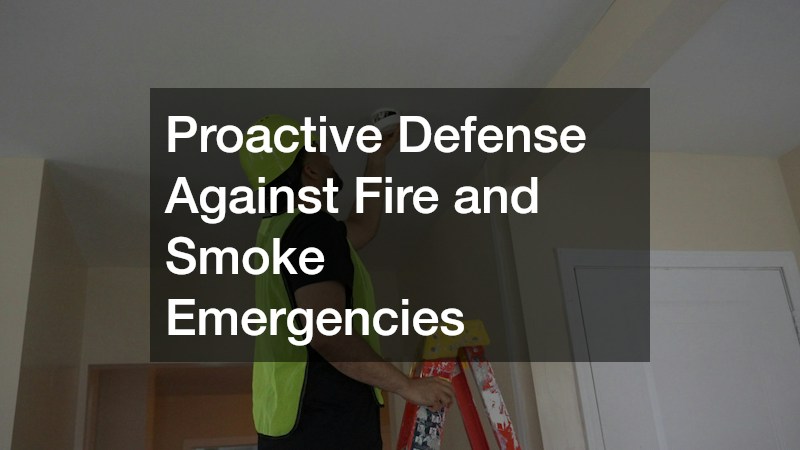
Few household emergencies develop as swiftly or destructively as a domestic fire. Within mere minutes, a minor electrical fault or unattended cooking pan can produce blinding smoke and intense temperatures capable of engulfing an entire level. Protecting a household demands a dual approach: preventing combustion and maintaining reliable early warning systems.
Establishing Multi-Zone Detection Networks
Standard smoke detectors provide basic utility, but modern homes require interconnected detection networks that communicate instantaneously across every level of the structure. In a multi-story home, a fire that ignites in a basement can emit fatal levels of toxic smoke long before an isolated upper-floor alarm registers the threat. Installing a cohesive network ensures that when one sensor triggers, every sounder throughout the property alerts occupants simultaneously. Incorporating comprehensive fire protection measures into your layout significantly improves evacuation timeframes during zero-visibility conditions.
- Place dual-sensor alarms, which detect both rapid flaming fires and slow smoldering embers, on every level and inside all bedrooms.
- Test alarm sirens and smoke sensors monthly, replacing backup batteries biannually without exception.
- Keep specialized kitchen-rated dry chemical extinguishers within reach of the stove, avoiding installation directly above cooktops.
- Design and rehearse two independent exit routes out of every single bedroom, paying specific attention to upper-floor ladders.
Recovering from Heat and Soot Damage
When a fire incident occurs, rapid containment is merely the first phase of preserving the structure. Even minor blazes confined to a single room discharge corrosive soot and acidic gases that permeate drywall, ductwork, and structural framing. Contacting professional fire damage services ensures that toxic chemical residues and pervasive odors are neutralized before they settle permanently into building fabrics. Specialized air scrubbers and structural stabilization techniques safeguard family members from breathing dangerous particulate matter long after flames are extinguished.
- Ventilate unaffected rooms using high-powered fans only after receiving formal clearance from emergency personnel.
- Avoid touching soot-covered walls directly, as skin oils can permanently bind acidic soot particles to porous surfaces.
- Discard any unpackaged pantry food, produce, or medication stored in rooms exposed to heat, smoke, or airborne extinguisher chemicals.
- Arrange for an immediate professional inspection of all HVAC ducting to prevent circulating trapped ash throughout the home.
Resilience Against Extreme Weather and Structural Trauma
Severe weather phenomena like high-velocity tornados, hail storms, and flash floods test the structural stability of every residential building. Without dependable emergency planning, severe weather can inflict catastrophic structural failure while trapping residents inside vulnerable spaces. Preparing for unpredictable forces requires resilient infrastructure built specifically to withstand localized natural forces.
Constructing In-Residence Extreme Weather Shelters
When catastrophic winds strike, regular exterior walls and roof trusses can peel away under extreme atmospheric pressures. Standard interior spaces, such as closets and bathrooms, frequently offer insufficient structural shielding against high-speed airborne debris. Partnering with certified storm shelter companies allows homeowners to build reinforced above-ground safe rooms or below-ground steel bunkers that meet stringent national wind and impact testing standards. These specialized shelters provide an anchored, debris-resistant redoubt capable of preserving life during destructive weather events.
- Anchor pre-fabricated steel or poured-concrete safe rooms directly to heavy concrete slab foundations with reinforced anchor bolts.
- Stock the shelter space with emergency rations, bottled water, flashlight batteries, and critical medications renewed semiannually.
- Install a mechanical hand-crank ventilation port or battery-operated airflow system to maintain clean oxygen intake.
- Store hand tools, including pry bars and heavy-duty wrenches, inside the shelter in case outside debris blocks the door.
Restoring Habitability After Disasters
Following violent weather strikes or unexpected tree falls, rapid response minimizes secondary damages such as roof leaks or foundation displacement. Exposed building cavities must be stabilized immediately to protect personal property and discourage loitering. Calling upon emergency restoration services guarantees that structural engineers and licensed mitigators secure the premises through roof tarping, window boarding, and water extraction. Acting quickly halts progressive damage and accelerates the insurance evaluation timeline.
- Document all observable exterior damage using detailed video and photographs before moving dislodged belongings.
- Shut off main utility panels for natural gas, electricity, and water supply lines before stepping inside damaged sections.
- Wear protective steel-toed boots, heavy work gloves, and eye protection whenever walking around wind-blown debris.
- Verify the licensing, liability insurance coverage, and credentials of post-storm contractors before authorizing structural work.
Moisture Management and Environmental Air Quality
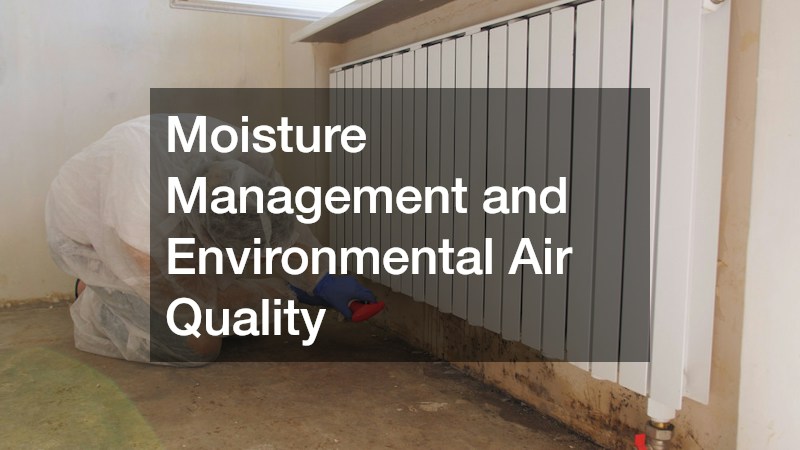
Hidden moisture represents an insidious long-term enemy to residential wellness. Undetected leaks within crawlspaces, pipe chases, and attics can quietly compromise wooden structural members while cultivating toxic airborne contaminants. Left unmanaged, persistent dampness degrades indoor air quality and triggers serious allergic reactions and chronic respiratory issues among vulnerable family members.
Eliminating Indoor Microbial Contamination
Moisture intrusion quickly creates a fertile environment for fungal spores to settle, germinate, and thrive within porous building products such as drywall, carpet backing, and baseboards. Because fungal colonization frequently hides out of sight behind tile walls and beneath subfloors, visual surface cleaning alone fails to eliminate the root organism. Consulting specialists for mold remediations provides complete fungal containment, negative air pressure scrubbers, and safe antimicrobial treatments that address both visible growth and invisible airborne spores.
- Maintain indoor relative humidity levels consistently between thirty and fifty percent using whole-home dehumidifiers.
- Run kitchen and bathroom ventilation fans for at least twenty minutes following hot showers or cooking sessions.
- Inspect basements, crawlspaces, and exterior foundation margins seasonally for hairline concrete cracks and damp patches.
- Discard damp porous furnishings, area rugs, and cardboard boxes that have remained saturated for longer than forty-eight hours.
Halting Structural Damage from Unchecked Water Inflow
Plumbing pipe ruptures, failed water heaters, and overflowing appliances can quickly submerge large sections of residential flooring under several inches of water. Because standing moisture migrates rapidly behind baseboards and saturates insulation batting, surface mopping is inadequate to prevent structural rot. Enlisting certified water restoration companies ensures the deployment of industrial extraction trucks, high-velocity air movers, and commercial desiccant dehumidifiers. These advanced systems draw trapped moisture out of wall cavities and concrete foundations before irremediable dry rot takes hold.
- Install automatic water shut-off valves equipped with wireless moisture sensors directly adjacent to washing machines and water heaters.
- Inspect washing machine rubber supply lines annually, upgrading them to braided stainless-steel flexible hoses.
- Clear exterior roof gutters and downspout leaders routinely, ensuring discharged rainwater flows away from foundation walls.
- Test sump pumps twice a year by pouring a bucket of clean water into the basin to verify float-switch activation.
Managing Hidden Environmental Toxins and Water Impurities
Many of the most severe hazards found in residential environments are invisible to the naked eye. While older properties often harbor hazardous legacy construction components, domestic tap water can carry microscopic chemical compounds, heavy metals, and particulate sediments. Safeguarding your family necessitates a thorough assessment of indoor materials and daily drinking water quality.
Containing and Mitigating Legacy Hazardous Minerals
Older houses constructed prior to the late twentieth century often contain building components that present serious biological hazards if disturbed by renovations, remodeling, or physical deterioration. Common insulating materials, acoustic ceiling textures, vinyl floor tiles, and siding frequently contain microscopic mineral fibers that can cause chronic pulmonary diseases when inhaled. Homeowners suspecting the presence of contaminated materials should retain certified asbestos removal services rather than attempting demolition tasks independently. These professionals follow strict containment, negative-pressure air filtration, and disposal protocols to avoid spreading carcinogenic dust throughout living spaces.
- Avoid drilling, sanding, or scraping textured ceilings, plaster, or vintage vinyl tiles until lab testing confirms they are clear.
- Seal off damaged pipe insulation or crumbling acoustic materials with plastic sheeting while awaiting certified hazard assessment.
- Hire only licensed, state-accredited environmental abatement technicians who supply documented laboratory clearance testing.
- Require abatement teams to use high-efficiency particulate air vacuums and wet-stripping techniques to control airborne dust.
Refining Municipal and Well Water for Consumption
Even when municipal water supplies meet baseline federal regulatory standards, tap water can still absorb trace contaminants, lead from aging municipal piping, chlorine byproducts, and unwanted minerals on its journey to your faucets. Providing optimal hydration and reducing consumer exposure to harmful per- and polyfluoroalkyl substances calls for advanced residential water filtration. Installing a reverse osmosis water treatment system under the kitchen sink effectively filters out dissolved solids, chemical residues, microplastics, and heavy metal ions. This targeted purification step provides your family with pure, pristine drinking water directly from a dedicated tap.
- Replace multi-stage sediment and carbon block filters on point-of-use purification systems strictly within suggested intervals.
- Sanitize pressurized water storage tanks annually to keep internal rubber bladders clear of bacterial biofilm buildup.
- Test private domestic well water every spring through an accredited environmental lab for nitrates and coliform bacteria.
- Flush residential water lines for two minutes in the morning if supply pipes contain older brass plumbing fixtures.
Establishing Family Emergency Protocols and Daily Routines
Even the most technologically advanced security installations, fire alarms, and structural reinforcements remain ineffective without educated, prepared occupants. True residential safety relies on clear communication, structured drills, and routine safety habits practiced consistently by every member of the household.
Developing and Rehearsing Emergency Plans
Crisis situations generate panic, confusion, and disorientation if individuals lack clear instructions. Preparing your family with predefined action plans guarantees that every member knows their specific role and exit route when alarms sound. Establish a centralized meeting place situated a safe distance from the residence, such as a prominent neighborhood tree, a mailbox, or a neighboring porch. Rehearsing these plans twice a year builds muscle memory, ensuring children react calmly and deliberately during genuine nighttime emergencies.
- Assign designated adults specific duties for assisting toddlers, young children, family pets, or relatives with mobility challenges.
- Designate an out-of-state emergency contact person whom all family members can call or message if local lines jam.
- Teach children how to dial local emergency lines, recite their full home address, and describe the nature of an emergency.
- Prepare an emergency go-bag for each family member containing warm clothing, identification copies, and first-aid items.
Implementing Everyday Safety Checklists
Maintaining a secure household is not an isolated, one-time project; it is an ongoing daily discipline. By integrating simple safety routines into daily morning and evening habits, you eliminate common oversights that leave properties exposed to unnecessary hazards. Walk through the home periodically with a critical eye, identifying trip risks, overloaded electrical extension cords, and blocked passageways. Small, steady adjustments produce a resilient home environment that keeps your loved ones protected day after day.
- Keep staircases, hallways, and entry corridors entirely free of storage clutter and electrical cords to avoid trip injuries.
- Store domestic household cleaners, garden fertilizers, and laundry pods locked securely in high cabinets away from children.
- Verify that every exterior ground-level window and door is locked before the family retires for the evening.
- Check appliance cords and power strips regularly, replacing any lines showing signs of fraying or heat discoloration.
A Secure Foundation for the Future
Cultivating a safe home environment requires diligence, continuous attention, and thoughtful investments in high-quality hardware and professional services. By addressing perimeter protection, fire prevention, severe weather resilience, water purity, and environmental contaminants, you establish an effective multi-layered defense system.
Protecting your loved ones is not about living in constant worry; it is about taking rational, proactive measures that eliminate preventable hazards. When you take the time to evaluate vulnerabilities, upgrade aging infrastructure, and practice emergency routines with your children, you build an environment of true confidence and comfort. Through mindful planning and regular maintenance, you ensure that your home remains the safe, warm, and secure sanctuary your family deserves.
