
For busy families, home maintenance often gets attention only after something breaks. A slow drain becomes part of the routine. A loose handle stays loose for months. A strange noise from the heating system gets ignored until the first cold weekend of the year.
Most families are not neglecting their homes on purpose. They are simply busy. Between work, school, errands, meals, activities, pets, and appointments, maintenance can feel like one more task competing for limited time.
The best approach is to make home care simple and repeatable. A few small habits can help families catch problems early, avoid expensive surprises, and keep the home safer and more comfortable without turning every weekend into a repair project. Small routines also reduce decision fatigue. When you already know what to check each month, where the tools are, and which tasks matter most by season, maintenance becomes less intimidating.
Creating a Monthly Walkthrough Routine

A monthly walkthrough is one of the easiest ways to stay ahead of home problems. Set aside 20 or 30 minutes to move through the house and look for small changes. Check under sinks, look for ceiling stains, test doors and windows, inspect caulking, and listen for unusual appliance sounds.
This habit is especially useful during transitions. Before contacting local movers, a family can use a walkthrough to spot repairs, organize tasks, and avoid rushed decisions. The same approach helps when settling into a furnished apartment, where documenting scratches, leaks, or broken fixtures early can prevent confusion later.
The routine works best when it is tied to something already on the calendar. Some families do it on the first Sunday of each month. Others do it before trash night. Consistency matters more than timing.
It can also help to assign each person a small role. One adult might check plumbing areas, another might look at doors, windows, and safety devices, while older children can report anything unusual in their rooms. This turns maintenance into a shared household habit instead of one person’s invisible responsibility.
Stocking a Simple Repair Station
A basic repair station can save time and prevent small problems from being ignored. It does not need to be elaborate. A labeled bin, drawer, or shelf is enough if everyone knows where to find it.
Include practical items such as a flashlight, batteries, tape measure, screwdrivers, pliers, adjustable wrench, utility knife, work gloves, duct tape, painter’s tape, replacement air filters, and a plunger. Families who handle small fixes often may want to buy sturdier supplies from a contractor supply shop instead of relying on lightweight starter kits.
Keep sharp tools, adhesives, blades, and hardware away from young children. If older kids help with small projects, teach them to return tools to the same place. A repair station only works when the whole household helps maintain it.
It is also worth keeping a small notebook or shared phone note with basic home details. Record filter sizes, paint colors, appliance model numbers, warranty dates, and the location of shutoff valves. These details are easy to forget in the moment, especially when something breaks during a busy morning or late at night.
Checking the Exterior Before Damage Spreads
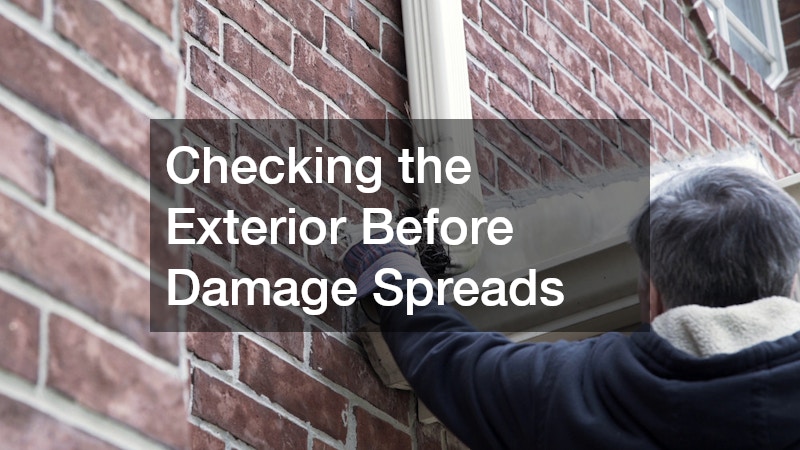
The outside of a home handles constant wear from weather, sunlight, branches, moisture, and daily use. Because families spend most of their time indoors, exterior damage can go unnoticed until it causes interior problems.
Once a season, walk around the property slowly. Look at the roofline from the ground, check gutters, scan siding, and watch for water pooling near the foundation. Cracks in walkways or driveways should also be monitored before they widen.
Homeowners should not climb onto the roof to investigate damage. If something looks unsafe or difficult to evaluate, a roofing company can inspect it properly. The goal is to catch small roof or gutter issues before they become leaks.
Driveways also need preventive care. Asphalt seal coating can help protect paved surfaces from moisture, sunlight, and surface wear, especially before cracks become severe. Taking photos of the same exterior areas every few months can make changes easier to notice.
After storms, do a shorter version of this same check. Look for fallen branches, loose downspouts, lifted shingles, damaged screens, or new puddles near the home. A five-minute inspection after heavy weather can prevent a small exterior issue from becoming an indoor repair.
Stopping Moisture Problems Early
Moisture problems can grow quietly behind walls, under flooring, or inside cabinets. A tiny drip may seem harmless, but over time it can damage wood, drywall, flooring, and insulation.
Pay attention to musty smells, peeling paint, bubbling drywall, soft flooring, warped boards, and stains on ceilings or walls. A common scenario is an upstairs bathroom that appears fine until a faint stain shows up on the ceiling below. By then, the leak may have been active for weeks.
Small prevention steps help. Place leak detectors near sinks, washing machines, water heaters, and basement areas that have leaked before. Check caulking around tubs and showers. Teach children to mention water on the floor instead of simply wiping it up.
If water has spread into walls, flooring, or large areas, water damage services may be safer than cleanup with towels and fans. Fast action can reduce the chance of mold, odors, and deeper structural damage.
Families should also watch humidity levels. Bathrooms without good ventilation, laundry rooms, and basements can hold moisture even without an obvious leak. Running fans, opening doors after showers, and using a dehumidifier in damp areas can help keep the home healthier.
Maintaining Comfortable Indoor Air

Heating and cooling systems affect comfort, sleep, air quality, and energy bills. When they work well, families rarely think about them. When they fail, everyone notices.
Change filters every one to three months, depending on pets, dust, allergies, and system use. Keep vents clear of furniture, rugs, and toys. Vacuum return vents when dust builds up, and pay attention to rooms that never seem to reach the right temperature.
In warm months, signs that may require ac repair include weak airflow, warm air from vents, frequent cycling, strange noises, or water near the unit. In colder months, furnace repair may be needed if the home heats unevenly, the system smells unusual, cycles constantly, or makes loud noises.
Do a quick comfort check before extreme weather arrives. Testing the system early gives families time to schedule help before appointments become harder to find.
Another smart habit is to keep doors open when possible so air can circulate evenly. If one room is always uncomfortable, do not assume it is just part of the house’s personality. Blocked vents, dirty filters, poor insulation, or duct issues may be contributing to the problem.
Protecting the Yard Around the Home
The yard plays a bigger role in home maintenance than many families realize. Trees, shrubs, soil, drainage, and roots can all affect safety and long-term property care.
After windy weather, walk around the property and look up. Check for cracked limbs, branches touching the roof, leaning trees, or roots lifting pavement. For families with children, this matters even more because yards often double as play areas.
If a tree looks unhealthy, storm-damaged, or too large to handle safely, an arborist can evaluate the problem and recommend pruning, treatment, or removal. Guessing can be risky when large trees are close to the home.
Drainage matters too. Soil and mulch should not slope toward the foundation. Downspouts should move water away from the house. Shrubs should be trimmed enough to allow airflow and visibility around exterior walls.
The yard should also be checked from a practical family-use perspective. Look for uneven spots where children might trip, low branches near play equipment, or slippery areas near patios and walkways. Maintenance is not only about protecting the structure. It is also about keeping everyday spaces safe and usable.
Preventing Drain and Plumbing Disruptions

A plumbing issue can disrupt the whole household quickly. One slow drain may be a simple clog, but repeated problems deserve attention.
If multiple drains are slow, toilets gurgle, water backs up into tubs, or sewage odors appear, the issue may be deeper. Wet patches in the yard or clogs that keep returning after temporary fixes can point to a problem that requires sewer repair.
Daily habits make a difference. Grease should not go down the kitchen sink. Wipes should not be flushed, even if the package says they are flushable. Hair catchers can help in showers, and food scraps, paper towels, cotton swabs, and hygiene products should stay out of drains.
For bathrooms used by children or guests, a simple reminder about what belongs in the toilet can prevent awkward and expensive problems. It can also help to keep a small bathroom trash can visible and easy to use, so people are less tempted to flush items that should be thrown away.
Building Seasonal Habits Into Normal Life
Seasonal maintenance feels easier when it is divided across the year. Spring is a good time to check screens, gutters, outdoor faucets, and winter wear. Summer is useful for watching cooling performance, pests, irrigation, and outdoor spaces. Fall is the time to prepare for colder weather, clean dryer vents, test exterior lights, and seal small gaps. Winter calls for monitoring humidity, frozen pipes, safety alarms, and slippery walkways.
Families can split these tasks in realistic ways. A teenager can test smoke detectors. A younger child can gather outdoor toys before a storm. One adult can handle filters while another schedules service appointments.
The goal is not perfection. It is to make maintenance part of normal household care instead of a large project everyone dreads. If a season is especially busy, focus on the tasks that protect safety and prevent damage first. The decorative or nice-to-have projects can wait.
Using Smart Devices Without Relying on Them Completely
Smart devices can help busy families notice issues sooner. Leak sensors, smart thermostats, video doorbells, smart smoke detectors, garage monitors, and security cameras can all add convenience and peace of mind.
Their biggest benefit is that they can alert you when you are not looking. A parent at work might receive a water alert near the washing machine. A family on vacation might see that the garage door was left open.
Still, technology has limits. Batteries die, Wi-Fi fails, and alerts get ignored. Set aside a few minutes each week to clear notifications, check batteries, and make sure important devices are connected. A few reliable tools are better than a complicated system no one manages.
Smart devices should support common sense, not replace it. A sensor can warn you about water, but it cannot inspect old caulking. A camera can show movement outside, but it cannot tell you whether a gutter is loose. Pairing technology with simple visual checks gives families the best of both approaches.
Knowing When Help Is the Smarter Choice
A confident homeowner does not handle every repair alone. A confident homeowner knows when a task is safe and when it is not.
Changing a filter, tightening a loose screw, clearing a hair catcher, or replacing weatherstripping may be reasonable DIY work. Electrical panel repairs, gas appliance issues, major roof problems, mold cleanup, structural damage, large tree removal, and serious plumbing backups are different. Those jobs can become dangerous or more expensive when handled incorrectly.
Create a home contact list before an emergency happens. Include trusted professionals, insurance information, utility contacts, warranty numbers, and emergency shutoff locations. Adults in the home should know where the main water shutoff is, how to turn off power to a circuit, and what to do if they smell gas.
Sometimes the smartest maintenance decision is making the right call early. Calling for help before a problem becomes urgent often gives families more options, better scheduling, and less stress.
Keeping Home Care Sustainable
The best maintenance plan is the one a family can actually keep using. Some months will be busy. Some tasks will get missed. That is normal.
Start with one habit: a monthly walkthrough, a repair station, or a seasonal checklist. Build from there. Over time, these routines help families notice small changes sooner and react to fewer emergencies.
A well-cared-for home does not need to be perfect. It needs regular attention, practical systems, and early action when something seems wrong. For busy families, that kind of maintenance makes everyday life feel calmer, safer, and easier to manage. The real win is not a flawless house. It is a home that supports the family’s daily life instead of constantly interrupting it.
