
For many families, balancing careers, household responsibilities, and parenting can feel like a constant juggling act. Busy parents often face tough choices when it comes to childcare, trying to ensure their children are safe, happy, and developing well while also keeping their own lives on track. The right childcare solution can make a world of difference, providing peace of mind during the workday and helping children thrive.
Finding the best fit involves more than just locating a nearby center. It requires careful consideration of schedules, budgets, educational philosophies, and the overall environment where your child will spend significant hours each week. By making thoughtful decisions and planning strategically, families can create routines that support growth, learning, and meaningful time together.
This guide will walk you through actionable steps to evaluate options, integrate supplemental programs, and maintain a strong family connection while leveraging childcare support.
Assess Your Family’s Unique Needs
Before exploring options, it’s crucial to define what your family truly requires. Each family is different, and understanding your own needs will help narrow the choices and make the decision-making process less overwhelming.
Steps to assess your family’s needs:
- Evaluate schedules: Consider your work hours, commute times, and any other regular commitments. Identify the time blocks when childcare is essential.
- Define priorities: Decide what is most important for your children—social interaction, structured learning, flexibility, or a combination.
- Set a budget: Determine how much you are comfortable spending on childcare each month and factor in additional costs like supplies or extracurricular activities.
- Consider logistics: Proximity to home, work, or school can reduce stress and allow more time for family interactions.
When reviewing potential options, make a checklist that ranks these factors in order of importance. This ensures that when comparing childcare services, you are selecting the one that truly aligns with your family’s lifestyle.
Understanding Infant Care Options

Choosing care for infants requires special attention because the first year of life is critical for growth and development. Parents must evaluate programs based not only on convenience but also on safety and developmental support.
Types of infant care:
- In-home care: A nanny or caregiver who comes to your home. Offers personalized attention and comfort in a familiar environment.
- Infant day care: Center-based programs that provide structured routines, socialization with peers, and professional staff trained in infant development.
- Hybrid options: Some families combine in-home care with part-time infant day care for social interaction and developmental enrichment.
Key considerations when choosing infant care:
- Staff-to-child ratio to ensure personalized attention.
- Training and certification of caregivers in infant CPR and early childhood development.
- Daily routines for feeding, napping, and playtime.
- Cleanliness, safety protocols, and security measures.
Spending time visiting facilities, observing routines, and asking detailed questions can help parents feel confident that their child will be cared for in a nurturing and stimulating environment.
Researching Local Preschools Effectively
Preschool is often the first structured learning environment outside the home, making the selection process particularly important. The right local preschool can foster social skills, emotional growth, and cognitive development.
Tips for researching preschools:
- Tour multiple locations: Observe classroom interactions, teaching methods, and daily routines.
- Ask about curriculum: Ensure it aligns with your educational values and supports children development through age-appropriate learning activities.
- Check accreditation and licensing: Verified programs meet established standards for safety and teaching quality.
- Seek parent reviews: Gather insights from other families about their experiences, communication with staff, and overall satisfaction.
Questions to ask during visits:
- How are conflicts between children resolved?
- What is the staff turnover rate?
- How are children’s individual needs addressed?
- What opportunities exist for parent involvement?
Choosing a preschool with a nurturing, development-focused environment sets a foundation for lifelong learning habits and social confidence.
Integrating Summer Camps and Enrichment Programs

Summer camps and enrichment programs can complement regular childcare, offering new experiences and supporting continued learning during school breaks. For busy families, these programs also provide a structured, safe environment for children while parents manage work obligations.
Tips for choosing programs:
- Align programs with your child’s interests—sports, arts, STEM, or outdoor exploration.
- Consider developmental benefits, such as teamwork, problem-solving, and creativity.
- Evaluate schedules and logistics to ensure camps fit with existing childcare arrangements.
- Ask about staff training and safety measures, especially for outdoor or activity-heavy programs.
Benefits for children and families:
- Enhance social skills through peer interactions across diverse settings.
- Keep children active and engaged during long school breaks.
- Provide parents with flexibility, knowing children are in supervised, enriching environments.
Summer camps and enrichment programs, when carefully selected, can be a valuable supplement to daycare or preschool, providing both fun and developmental growth.
Balancing Healthcare Needs With Childcare
Maintaining regular healthcare routines is essential for children’s well-being, even with busy schedules. Pediatricians play a crucial role in monitoring growth, administering vaccinations, and addressing developmental concerns. Coordinating appointments alongside childcare routines helps ensure children stay healthy without overloading parents.
Practical strategies:
- Schedule checkups during less hectic days, such as early mornings or Fridays.
- Keep vaccination and health records organized for daycare or preschool requirements.
- Communicate any special medical needs or allergies to childcare providers.
- Build a strong relationship with pediatricians to streamline referrals or consultations if needed.
Integrating healthcare visits into a childcare routine allows parents to maintain consistency and ensures children’s physical and developmental health is prioritized.
Making Family Time a Priority Amid Busy Schedules
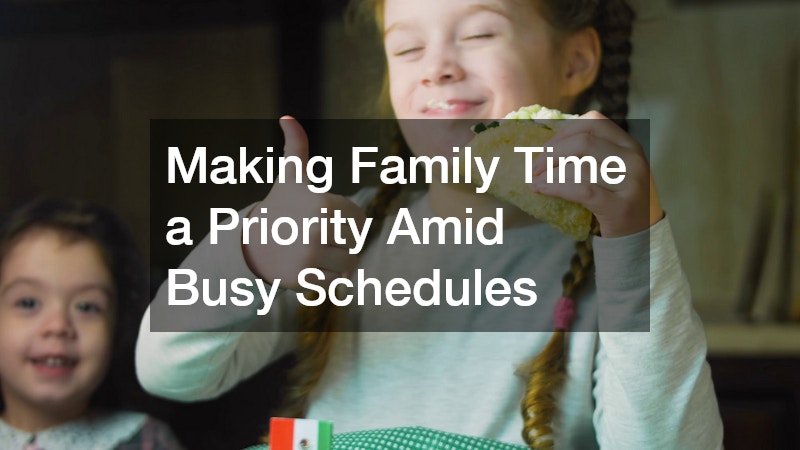
Even with the best childcare arrangements, quality family time can easily get lost in the shuffle. Planning intentional moments to connect with children is essential for emotional bonding and creating lasting memories.
Tips for keeping family connections strong:
- Schedule mini family outings around childcare drop-offs and pickups or during weekends.
- Make meals a family ritual:
- Mexican restaurants for casual, fun taco nights that kids enjoy.
- Italian restaurants for pizza or pasta dinners that encourage family conversation.
- Use simple home activities to bond after daycare or preschool, such as reading together, board games, or evening walks.
- Plan small traditions like Friday night movie time or Sunday park visits.
- Coordinate childcare schedules to maximize family interaction time without stress.
By proactively integrating family rituals into busy schedules, parents can maintain strong emotional connections even while relying on external childcare. Consistency matters more than length when it comes to family time. Even short, predictable moments together help children feel secure and valued. Busy families can benefit from setting simple expectations, such as eating together a few nights a week or having a regular weekend routine. Turning everyday moments into opportunities for connection—talking during car rides, involving kids in meal prep, or sharing highlights from the day—helps strengthen bonds without adding pressure. When family time is treated as a priority rather than an extra task, it becomes easier to maintain even during the busiest weeks.
Evaluating Staff and Program Quality
Choosing the right childcare environment goes beyond just convenience—it’s about ensuring your child is nurtured, stimulated, and safe. Observing the quality of staff and programs is critical to your child’s experience and overall development.
Indicators of a high-quality program:
- Staff-to-child ratios: Smaller groups allow more personalized attention and supervision.
- Training and certification: Look for staff trained in early childhood education, safety protocols, and first aid.
- Curriculum and activities: Structured learning opportunities support cognitive, social, and emotional development.
- Environment and safety: Clean facilities, secure entry systems, and well-maintained play areas are essential.
Questions to ask staff:
- How do you handle behavioral challenges?
- How is progress or development tracked?
- What methods are used to encourage social interaction and creativity?
Visiting multiple centers, observing interactions, and asking detailed questions gives parents insight into which environments truly support children development and provide a safe, nurturing atmosphere.
Cost and Schedule Optimization

For busy families, managing childcare expenses while fitting everything into a packed schedule can be challenging. Taking the time to compare options and explore flexible arrangements ensures you get both value and
convenience.
Strategies for optimizing cost and schedule:
- Compare costs for infant day care, daycare, and preschool programs to identify the best fit.
- Check for additional fees, such as materials, meals, or field trips, to prevent surprises.
- Look for flexible scheduling options: part-time, half-day, or extended care to match your work hours.
- Consider shared programs or cooperative arrangements with other families to save and gain flexibility.
- Explore subsidies, tax credits, or employer-supported childcare benefits to stretch your budget.
Maximizing value without compromising quality ensures children receive excellent care while parents maintain a manageable schedule. Proper planning prevents burnout and supports a balanced family life.
Transitioning and Preparing Your Child
Starting at a new childcare center or preschool can be a big adjustment for children. Preparing them for the transition helps reduce anxiety and fosters confidence in the new environment.
Tips for a smooth transition:
- Visit beforehand: Familiarize your child with the space, teachers, and routines.
- Gradual introduction: Start with shorter days or part-time schedules before moving to full-time attendance.
- Communicate expectations: Talk with your child about what to expect and address any concerns.
- Create routines at home: Establish consistent sleep, meal, and play schedules to mirror the childcare environment.
- Stay in touch with caregivers: Regular updates on your child’s progress help maintain continuity between home and care.
Supporting children through transitions builds resilience and ensures they are comfortable and confident in their new setting.
Building a Support Network for Busy Families

Even with reliable childcare, managing a household and family schedule can be overwhelming. Building a support network provides practical help, emotional support, and shared experiences that make parenting easier and more enjoyable.
Ways to create a support system:
- Connect with other parents at local preschools, daycare centers, or community groups.
- Coordinate shared childcare arrangements, rides, or playdates to maximize time efficiency.
- Maintain regular communication with pediatricians for guidance on development, health, and nutrition.
- Leverage summer camps or enrichment programs to supplement care and provide social opportunities.
- Share tips, routines, and experiences with family and friends to support your emotions.
A strong network ensures that busy families feel supported, children benefit from enriched experiences, and parents can balance work, home, and family priorities effectively.
Ensuring Balance and Quality of Life
Selecting the right childcare services is only one part of the equation. Maintaining balance, routines, and family connections is equally important. By thoughtfully integrating childcare, enrichment programs, healthcare, and family activities, parents can create a structured but flexible lifestyle that benefits the whole family.
Key takeaways for busy families:
- Prioritize quality over convenience; the best childcare is one that supports development and well-being.
- Schedule intentional family moments, even small ones, to maintain strong bonds.
- Coordinate appointments, extracurricular activities, and childcare to avoid overload.
- Use resources like local preschools, daycare, and summer camps to enrich your child’s experience while providing parents with flexibility.
- Regularly review and adjust childcare arrangements as children grow and family needs evolve.
Thoughtful planning ensures that children receive excellent care, parents maintain peace of mind, and families continue to share meaningful experiences despite hectic schedules.
Creating a Balanced Routine for the Whole Family

Finding the best childcare services for busy families involves careful planning, research, and attention to both your child’s and your family’s needs. By assessing schedules, exploring infant care and
preschools, incorporating enrichment programs, maintaining healthcare routines, and creating intentional family time, parents can provide children with safe, nurturing, and developmentally enriching environments.
Balancing these considerations with cost, schedule, and support networks allows families to thrive, making the experience of raising children more manageable, enjoyable, and rewarding. With the right approach, busy families can confidently choose childcare solutions that support growth, development, and lasting memories together.
Tips for establishing balance:
- Prioritize quality over convenience; choose programs that promote learning, safety, and social growth.
- Schedule intentional family time, even small moments like bedtime stories, weekend outings, or shared meals.
- Coordinate healthcare, extracurriculars, and childcare schedules to prevent overload.
- Leverage local preschools, daycare, and summer camps to enrich children’s experiences while providing flexibility for parents.
- Review routines periodically and adjust as children grow or family needs change.
By thoughtfully planning daily and weekly schedules, parents can ensure children are supported, family time remains a priority, and overall stress levels are reduced.
